
Taking Care of Your Whole Self: A Mental Health Awareness Month Reflection
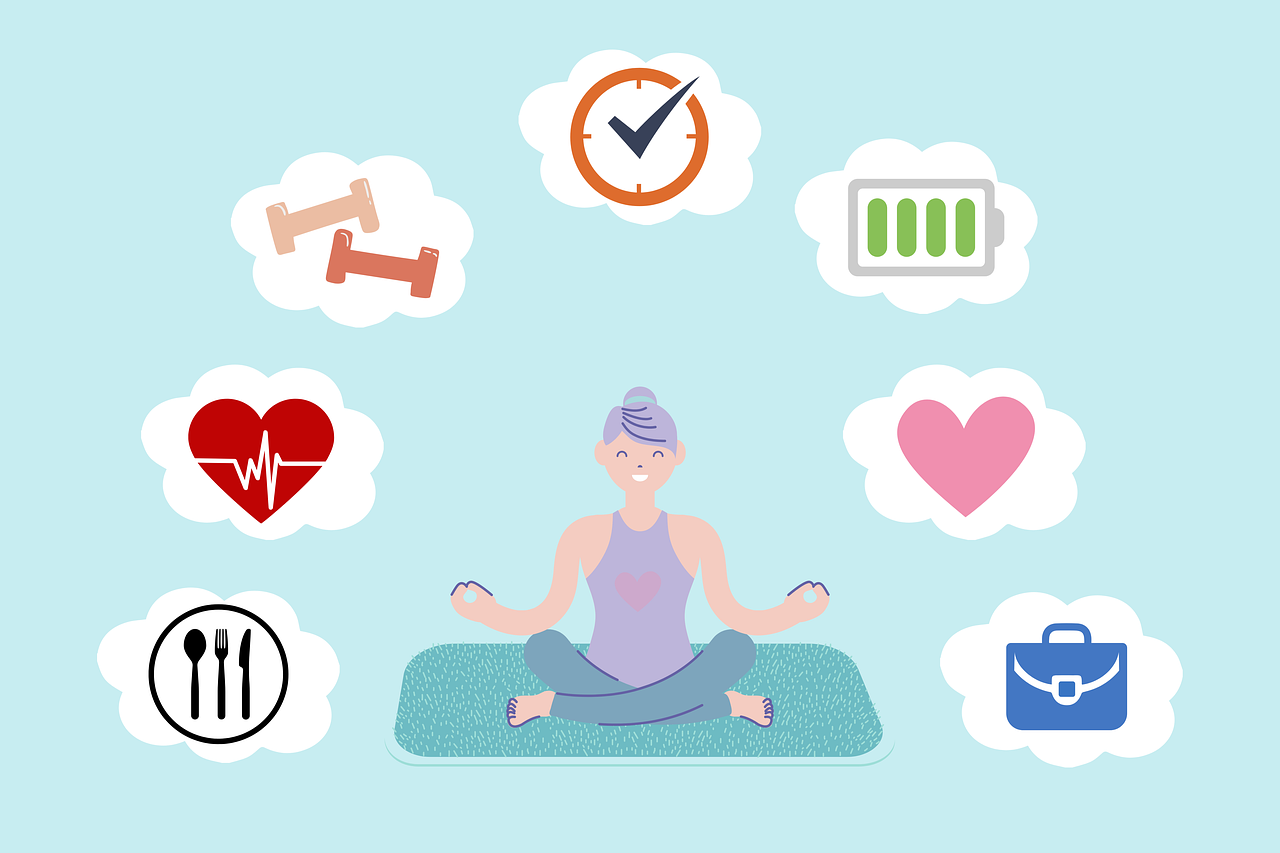
May is Mental Health Awareness Month, a time to pause and ask: how well are we caring for our minds, not just our bodies? Mental wellness is not a single “quick fix” but the result of several interconnected pillars: nutrition, sleep, stress management, social connection, spiritual dimension, and a sense of life purpose. When we support these areas together, we create a far more resilient inner world.
Nutrition: building mental health from the gut up
Research consistently shows that what we eat shapes how we feel.
Diets rich in whole foods—vegetables, fruits, legumes, nuts, seeds, whole grains, and fish—have been linked to a lower risk of depression, while processed, sugary, and heavily fried foods are associated with higher rates of depressive and anxious symptoms.

The gut–brain axis means that a healthy gut microbiome can help regulate stress, mood, and inflammation, while specific nutrients like omega‑3 fatty acids, vitamin D, and B vitamins appear to protect against mood disorders.
Sleep: the invisible therapy
Poor or irregular sleep strongly predicts anxiety, low mood, and difficulty concentrating. Chronic insomnia doubles the risk of developing depression, and roughly half to three‑quarters of people with psychiatric conditions report sleep problems. Prioritising a consistent sleep schedule, winding‑down routines, and limiting screen time before bed can significantly improve emotional stability and cognitive clarity.
Stress management and social connection
Ongoing stress can dysregulate the nervous system, raising the risk of anxiety, depression, and even physical illnesses such as heart disease. At the same time, strong social ties—meaningful conversations, supportive friendships, family connection, and community involvement—buffer against mental health crises and speed recovery.

Simple practices like boundary‑setting, time‑in for yourself, and choosing “in‑person time” over excessive screen‑scrolling can meaningfully reduce stress and strengthen connection.
Spiritual dimension and life purpose
For many people, a sense of meaning—whether through faith, nature, creativity, service, or values—acts like an emotional anchor. Spiritual practices (prayer, meditation, reflective journaling, rituals) are associated with lower anxiety, greater resilience, and a stronger sense of purpose.
Feeling that life has direction and that one’s actions matter contributes to reduced hopelessness and a deeper engagement with daily living.
Physical activity: science‑backed support for mental health
Physical activity is one of the most powerful, evidence‑based tools we have for improving mood and reducing symptoms of depression and anxiety.
Several large, high‑quality studies show that regular exercise:
- Reduces depressive symptoms: A 2023 umbrella review analysing 97 meta‑analyses and over 128,000 participants found that physical activity had medium‑sized benefits for depression, anxiety, and psychological distress, with the largest gains seen in people with depression and other chronic conditions.
- Works across intensity and type: A 2023 review in Harvard Health summarised evidence that walking, resistance training, Pilates, and yoga all improved symptoms of mild to moderate depression compared with being sedentary, with yoga and mind‑body practices particularly helpful for anxiety.
- Boosts mood quickly: A Lancet Psychiatry study of 1.2 million adults found that moderate physical activity was associated with more than a 40% reduction in self‑reported poor mental‑health days, with the best benefit seen at about three to five 45‑minute sessions per week.

Does all physical activity help, or some types more?
The short answer is that any regular movement is better than none, but certain formats and contexts clearly amplify the mental‑health benefit.
- Cardio vs resistance: Both are helpful, but in different ways. Aerobic exercise (brisk walking, running, cycling, dancing) tends to improve overall mood and energy, while resistance training has shown particularly strong effects for reducing depressive symptoms. Newer reviews suggest that combining aerobic and resistance training yields the broadest benefit, but either mode alone still helps.
- Intensity: Higher‑intensity exercise generally produces larger mood improvements, provided it stays within a person’s tolerance; however, very long or extremely intense routines can sometimes increase stress or burnout. For most people, moderate‑intensity activity (where you can talk but not sing) is the “sweet spot” for mood gains.
- Low‑intensity movement counts: You do not need to run or jog to reap mental‑health benefits. Walking, gentle cycling, tai chi, qigong, and even active household chores are associated with reduced anxiety and depressive symptoms. For people with anxiety or chronic pain, lower‑impact mind‑body practices such as yoga and tai chi often provide greater emotional relief than fast walking.
Is outdoor exercise more helpful?
Exercise outdoors in green or natural settings tends to provide extra psychological “lift” compared with the same workout indoors. Systematic reviews show that outdoor activity is linked to:
- Greater feelings of revitalisation, positive engagement, and energy.
- Lower tension, confusion, anger, and depression after exercise.
- Higher enjoyment and greater intention to keep exercising.
However, the benefits are additive: even indoor workouts are valuable, and the most important factor is consistency and enjoyment. If you feel safe and comfortable, a short walk in a park, a run along a canal, or a garden‑based strength workout can combine physical and psychological gains beautifully.

Research also shows that just spending time in nature, like sitting on a park bench, or even looking at nature outside your window are beneficial for our mental health.
Putting it all together this May
Mental Health Awareness Month invites us to treat mind and body as one system. You can:
- Prioritise a colourful, whole‑food plate and reduce processed snacks.
- Protect 7–9 hours of sleep and a regular bedtime.
- Schedule short daily “movement” sessions—whether walking, yoga, cycling, or resistance work—aiming for at least three 30–45‑minute bouts per week.
- Seek out face‑to‑face connection or meaningful conversations, even if they are brief.
- Carve out time for stillness, reflection, or spiritual practice that connects you to a sense of purpose.
By weaving together nutrition, sleep, movement, connection, and meaning, you are not just “getting through the day”—you’re building a more resilient, grounded, and mentally healthy life.
What are you going to implement this month? Let me know in the comments.
If you need help implementing this plan or to be more consistent, let me know! I offer health and life coaching plus I am am considering group coaching to help a group of us improve our health and mental health.
REFERENCES
- Umbrella review on physical activity and depression, anxiety, distress:
- Harvard Health article summarising exercise and mood:
- Lancet Psychiatry study on exercise and mental‑health days: