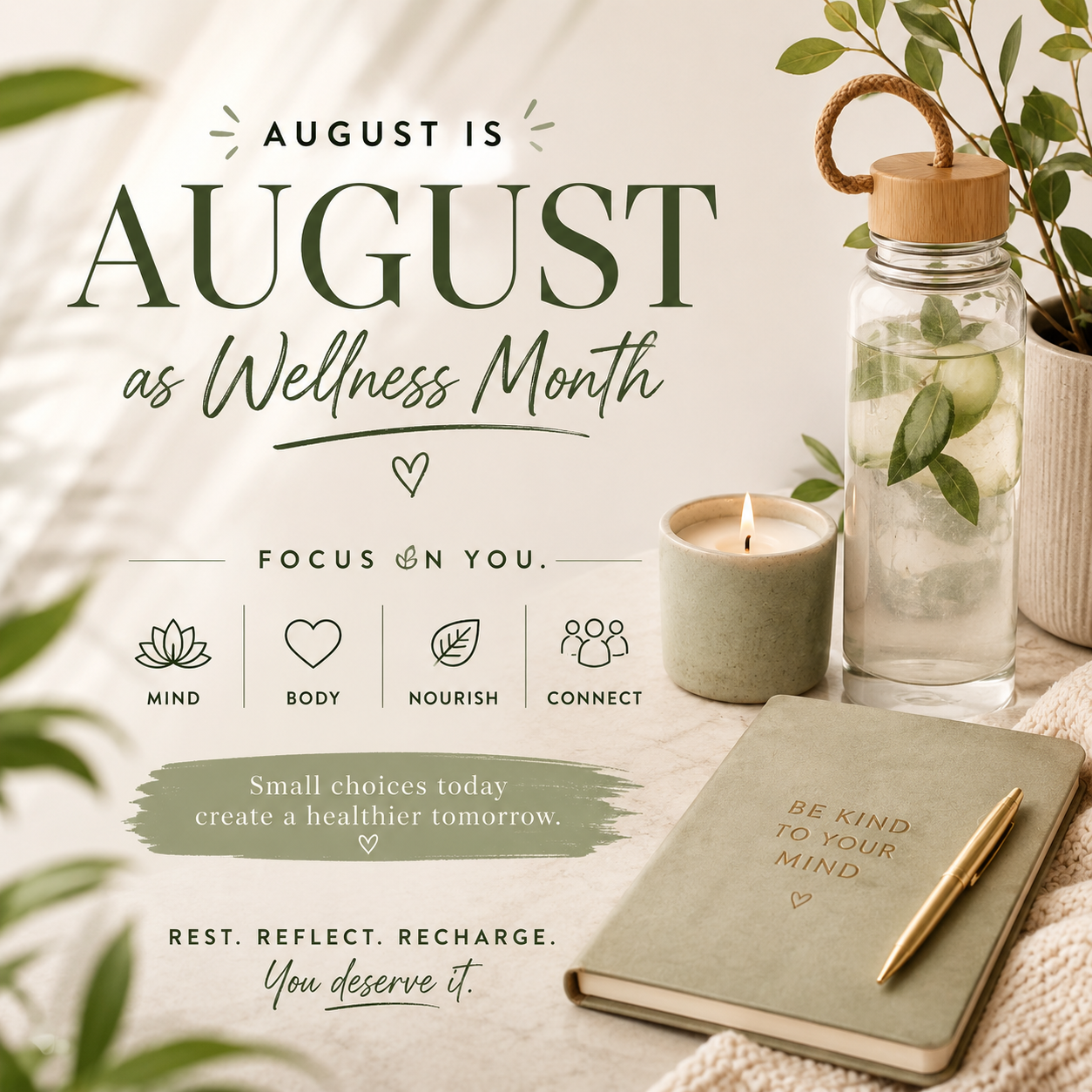
Wellness: What It Is and Why It Matters

What Is Wellness? Why It Matters Across Every Stage of Life

Wellness is a word we hear often, but it can mean different things to different people. At its simplest, wellness is the ongoing process of looking after your physical, mental, emotional, and social wellbeing so you can live well, not just avoid illness. It is not a destination or a perfect state. It is something we build, support, and adapt throughout life.

Wellness matters because it affects how we feel, move, think, recover, and cope with the demands of everyday life. When wellness is supported, people often experience more energy, better focus, improved resilience, and a greater sense of balance. It can also help support strength, mobility, confidence, and independence as we move through different life stages.

What wellness means

Wellness is more than exercise or healthy eating, although both can play an important part. It is a wider picture of how we care for ourselves day to day.

For some people, wellness means having enough energy to get through a busy workweek. For others, it may mean reducing stress, improving sleep, recovering from pain or tension, or feeling more comfortable in their body. It can also include emotional wellbeing, social connection, and a sense of purpose.

Because of this, wellness is personal. What supports one person may not be the same for someone else. That is why a flexible, whole-person approach matters.

Why wellness is important

Wellness is important because it shapes the quality of daily life. When people feel well, they are often better able to manage stress, stay active, recover from setbacks, and enjoy the things that matter most to them. Good wellness habits can support physical health, but they can also improve mood, confidence, and day-to-day functioning.

It is easy to think of wellness as something extra, but in reality it affects the basics: how we sleep, how we move, how we breathe, how we respond to stress, and how connected we feel to ourselves and others. Small, consistent choices can have a lasting impact over time.

Wellness is also important because our needs change as we age. What helps someone in their twenties may be different from what helps in midlife or later life. A strong wellness foundation can support people through those changes with more resilience and ease.

What wellness encompasses

Wellness can include many different elements, but these are some of the most important:

  • Physical health, including strength, mobility, balance, and recovery.
  • Mental wellbeing, including focus, clarity, and stress management.
  • Emotional wellbeing, including calm, confidence, and self-awareness.
  • Social wellbeing, including connection, support, and belonging.
  • Lifestyle habits, including sleep, movement, rest, and daily routines.

These areas are connected. When one part is supported, the others often benefit too. That is why wellness works best when it is approached in a balanced, sustainable way rather than as an all-or-nothing goal.

How we support wellness

At Pilates Fitness, we help people support their wellness through movement, recovery, and personalised care. Our approach is designed to meet people where they are, whether they are building strength, improving mobility, reducing tension, or simply looking for a way to feel better in their everyday life.

Pilates can help build core strength, improve posture, increase body awareness, and support healthy movement patterns. It is a great option for people who want to move with more control, stability, and confidence.

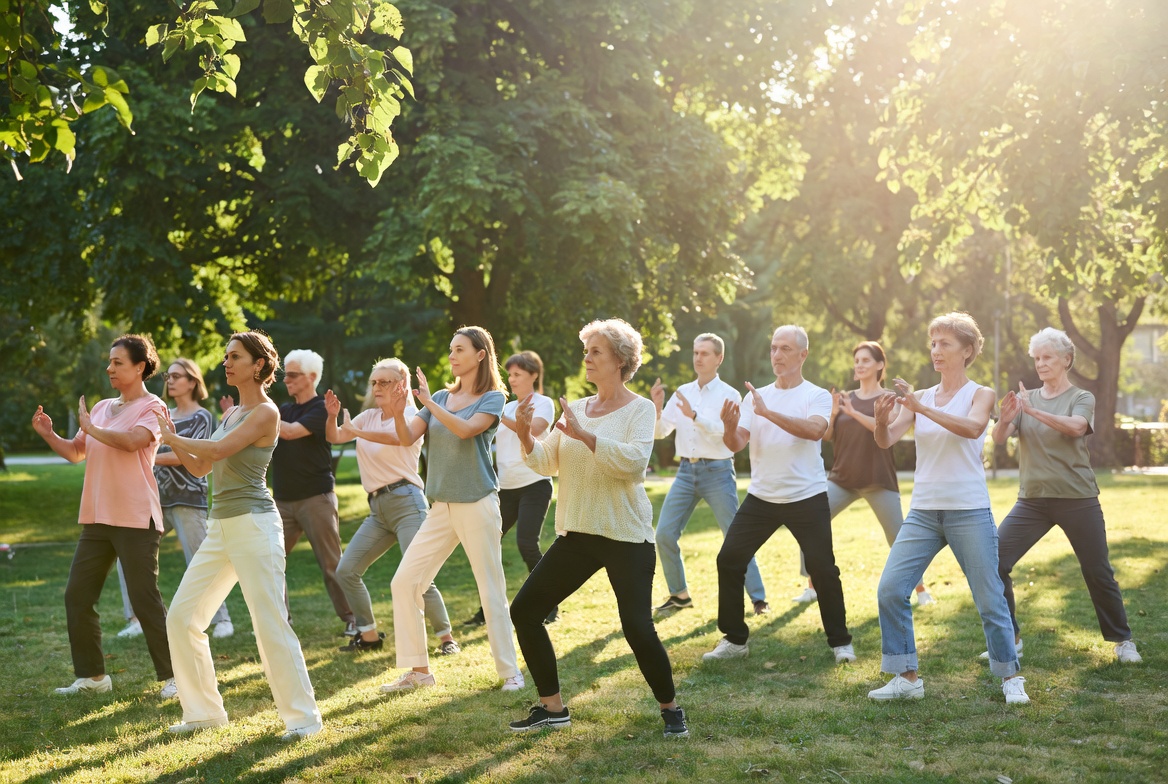
Tai chi offers gentle, mindful movement that can improve balance, coordination, breath, and calm. It is especially helpful for people looking for a low-impact way to support both body and mind.

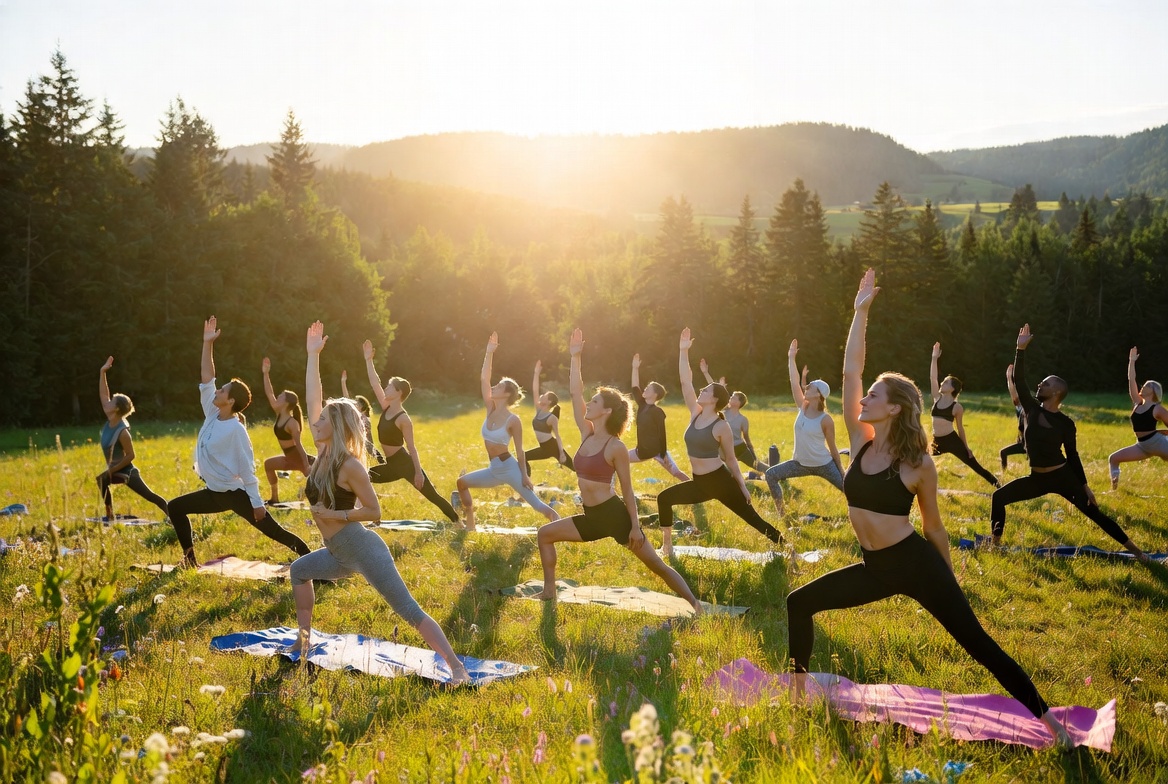
Yoga supports flexibility, strength, mobility, and stress relief while encouraging a stronger connection between movement and breath. It can be adapted to suit different experience levels and physical needs.

Personal training helps people build functional strength, confidence, and fitness in a way that supports their individual goals. Whether someone wants to feel stronger, more energised, or better prepared for daily life, personal training can provide structure and accountability.

Bodywork can help ease tension, support recovery, and improve ease of movement. It can be a valuable part of a wellbeing routine, especially for people dealing with stress, stiffness, or physical strain.

Coaching. Mindset is a very important component of our wellness. The way we look at things, how we talk to ourselves have a huge impact on our mental and physical heath and overal feeling of wellness. The right healthy habits help us maintain wellness more easily over time.

Together, these services support wellness in a practical and flexible way. They are not about chasing perfection. They are about helping people feel more capable, comfortable, and supported in their own bodies.

Wellness across life

One of the most important things to understand about wellness is that it changes across the lifespan. Different stages of life bring different demands, and wellness support should reflect that.

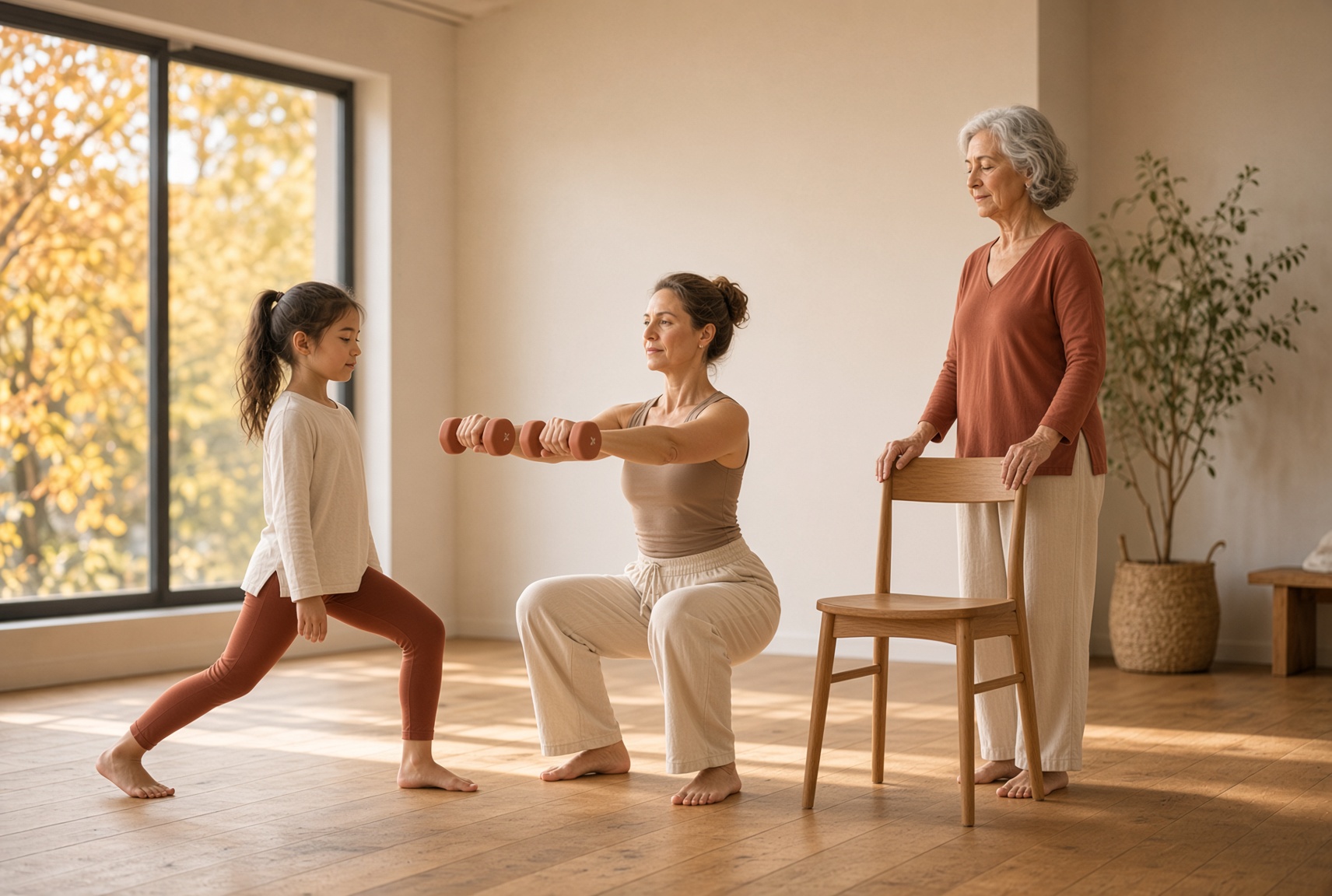
Younger adults may be focused on building strength, managing stress, or creating healthier habits. People in midlife may want to protect mobility, maintain fitness, and manage the physical effects of a busy lifestyle. Older adults may be looking for balance, confidence, pain management, and independence. Yet, everyone is unique!

The good news is that wellness can support all of these goals. Whether someone is looking for a gentle class, a more challenging training session, or hands-on support through bodywork, there is a way to adapt movement and care to the individual.

That is what makes wellness sustainable: it grows and changes with us.

A simple way to begin

You do not need to change everything at once to improve your wellbeing. In fact, the most effective wellness habits are often the simplest ones.

Start with one small step:

  • Move your body in a way that feels good.
  • Make time to recover, not just push harder.
  • Choose one habit that supports your wellbeing each day.

Over time, those small steps can add up to something meaningful.

Final thoughts

Wellness is not about perfection, and it is not limited to one kind of activity or one stage of life. It is a lifelong process of supporting your body, mind, and overall wellbeing in ways that feel realistic and sustainable.

Through pilates, tai chi, yoga, personal training, bodywork and coaching, we help people build strength, confidence, calm, and ease of movement across every stage of life. If you are ready to feel more supported in your wellbeing, the right combination of movement and care can make a real difference.

REFERENCES

Posted in Wellness | Tagged , , , , , , , , | Leave a comment

World No Tobacco Day

Why Quitting Tobacco Matters for Cancer Risk, Health, Longevity

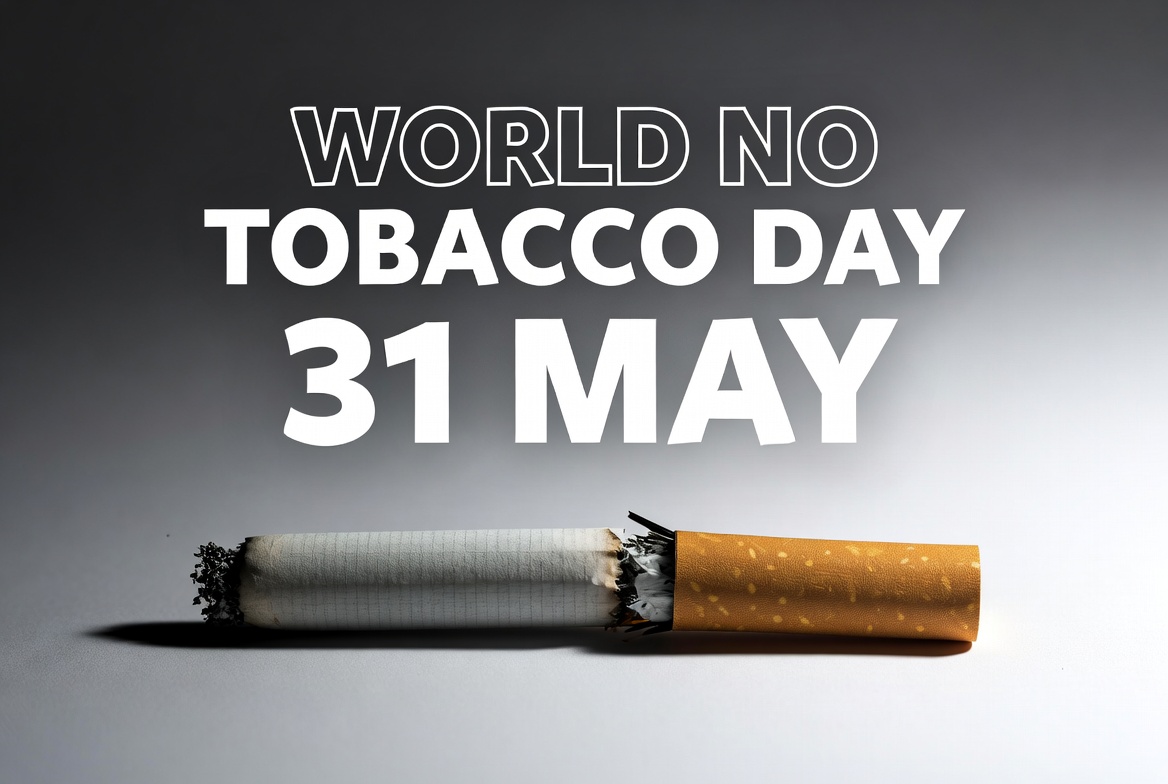
Image generated using Grok Imagine (xAI’s image generation model)

A Personal Note

This topic is deeply personal to me. Several people in my family died from smoking-related diseases. Their lives ended sooner than they were meant to be, and often in a nastier way than anyone should have to endure.

Seeing what they went through—the pain, the struggle, the preventable loss—made me realize how important it is to share the truth about smoking cessation. The science is clear: it’s never too late to quit. Every day without smoking is a victory. Every year of added life is precious.

*

World No Tobacco Day is a powerful reminder that tobacco use harms health in many ways, and that quitting is one of the most meaningful choices a person can make for their future. Smoking, chewing tobacco, and other forms of tobacco use are linked to

  • cancer
  • heart disease
  • lung disease
  • stroke
  • many other chronic conditions

Stopping tobacco use is not just about avoiding disease; it is also a major step toward better fitness, higher energy, and longer life.

Tobacco is one of the leading preventable causes of cancer worldwide.

  • It damages DNA
  • increases inflammation
  • exposes the body to toxic chemicals that can affect nearly every organ

Smoking is strongly linked to the following cancers:

  • cancers of the lung
  • mouth
  • throat
  • larynx
  • esophagus
  • pancreas
  • bladder
  • kidney
  • cervix
  • several other cancers

Chewing tobacco is also dangerous, especially for cancers of the mouth, throat, esophagus, and pancreas.

Quitting tobacco lowers cancer risk over time, even after years of use. The earlier a person stops, the greater the benefit, but it is never too late to quit. After quitting, the body begins to repair itself almost immediately. Heart rate and blood pressure begin to improve, circulation gets better, and breathing often becomes easier. Over time, the risk of heart disease, stroke, and many cancers declines.

The benefits of quitting go beyond disease prevention. Many people notice:

  • better stamina
  • improed exercise tolerance
  • stronger taste and smell
  • better sleep
  • fewer respiratory symptoms
  • For people trying to get fitter, tobacco cessation can make workouts feel easier and recovery more efficient.
  • better skin health, oral health, and overall day-to-day energy

Stopping tobacco use can also improve quality of life in less obvious ways. People often:

  • save money
  • reduce dependence on nicotine
  • gain more control over their routines
  • may feel more confidents in social situations
  • may feel less tied to cravings or the cycle of using tobacco to manage stress
  • save money, reduce dependence on nicotine, and gain more control over their routines. They may feel more confident in social situations and less tied to cravings or the cycle of using tobacco to manage stress.

For many, quitting becomes part of a broader commitment to better nutrition, movement, sleep, and mental wellbeing

“World No Tobacco Day” is a good moment to think about tobacco as one part of a larger health picture. Longevity is built from many small choices that reduce risk and support resilience.

  • Avoiding tobacco
  • staying active
  • eating well
  • sleeping enough
  • managing stress
  • all work together to protect long-term health.

Among those choices, quitting tobacco is one of the most impactful.

If you are using tobacco, the best time to stop is now.

If you have already quit, every tobacco-free day is a win for your body.

If you support someone else in quitting, that support can make a real difference. World No Tobacco Day is not only about awareness — it is about action, hope, and a healthier future.

REFERENCES

Scientific References – Smoking Cessation & Longevity Claims

  1. Jha P, et al. “Smoking Cessation and Short- and Longer-Term Mortality.” NEJM Evidence. 2024;3(3):EVIDoa2300272.
    • 1.5 million adults tracked over 15 years across US, UK, Canada, Norway
    • Quitting before age 40: live almost as long as never-smokers
    • Quitting at any age: return to near never-smoker survival within 10 years
    • Half the benefit occurs within just 3 years
    • Smokers aged 40-79 face 3× higher death risk, losing 12-13 years of life
      DOI: 10.1056/EVIDoa2300272
    • https://evidence.nejm.org/doi/full/10.1056/EVIDoa2300272
  2. Habib AR, et al. “Benefits of Smoking Cessation for Longevity.” American Journal of Public Health. 2002;92(6):990-996.
    • 877,243 participants in Cancer Prevention Study II
    • Quit at age 35: gain 6.9-8.5 years (men) and 6.1-7.7 years (women)
    • Quit at age 65: still gain 1.4-2.0 years (men) and 2.7-3.7 years (women)
    • Cessation at any age provides meaningful life extension
      DOI: 10.2105/ajph.92.6.990 | PMID: 12036794
    • https://scholars.duke.edu/display/pub742776
  3. University of Michigan School of Public Health. “The Benefits of Quitting Smoking at Different Ages.” American Journal of Preventive Medicine. 2024. DOI: 10.1016/j.amepre.2024.06.020
    • Quitting at age 75 still meaningfully extends life expectancy
    • First study to analyze smoking cessation impacts on 65+ age group
    • Benefits diminish with age but older adults still gain significantly
    • https://www.eurekalert.org/news-releases/1060554
  4. American Cancer Society. “Health Benefits of Quitting Smoking Over Time.” Updated May 2025.
  5. WHO World No Tobacco Day Campaign Materials. World Health Organization.
Posted in Health, smoking, Uncategorized | Tagged , , , , , | Leave a comment

National Senior Health and Fitness Day

National Senior Health and Fitness Day: Why Movement Matters at Every Age

National Senior Health and Fitness Day is observed on the last Wednesday of May, and it is a timely reminder that exercise is one of the most powerful tools for healthy aging. For older adults, regular movement supports far more than fitness alone: it helps protect the heart, strengthen bones and muscles, improve balance, lift mood, improve sleep, sharpen thinking, and preserve independence.

The good news is that older adults benefit from all three major types of exercise:

  • aerobic activity
  • muscle-strengthening work
  • balance training

Even small increases in activity can make daily life easier and safer, especially when exercise is matched to a person’s abilities, preferences, and health conditions.

Why exercise matters for older adults

Exercise helps older adults stay active in ways that matter in everyday life. It can make it easier to get up from a chair, climb stairs, carry shopping bags, walk around the neighbourhood, and continue doing the things they enjoy. Regular physical activity is also linked with a lower risk of heart disease, stroke, type 2 diabetes, some cancers, depression, dementia, falls, and early death.

One of the most important benefits is independence. As muscles, bones, and balance systems decline with age, exercise helps preserve physical function and reduce the chance of losing confidence or mobility after illness or injury. That means exercise is not just about “staying fit”; it is about staying capable, connected, and self-reliant.

Aerobic exercise: heart, stamina, and circulation

Aerobic exercise includes walking, cycling, swimming, dancing, low-impact aerobics, and similar rhythmic activities that raise the heart rate. This type of exercise is especially important for cardiovascular health because it lowers blood pressure, improves circulation, helps control cholesterol and blood sugar, and reduces the risk of heart disease and stroke. It also improves stamina, so everyday activities feel less tiring.

A brisk walk is often enough to get real benefits, especially when done regularly. Older adults do not need to run to improve heart health; consistent moderate activity can deliver meaningful protection. For many people, walking outdoors has the added bonus of fresh air, sunlight, and a change of scenery, which can make the habit easier to maintain.

Strength training: muscles, bones, and independence

Muscle-strengthening exercise includes resistance bands, dumbbells, machines, bodyweight exercises, and activities like rising from a chair repeatedly or carrying groceries. This type of training helps preserve muscle mass and strength, which are essential for posture, mobility, and independence. It also supports bone health by helping maintain bone density and reducing the risk of osteoporosis-related fractures.

This is especially important because older adults are at higher risk of sarcopenia, the age-related loss of muscle mass and strength. Strength work also improves joint support and may help reduce the impact of everyday aches by making the body more stable and resilient. In practical terms, stronger legs, hips, back, and arms make it easier to stand, bend, lift, and move with confidence.

Balance and flexibility: preventing falls

Balance training includes tai chi, standing on one leg, heel-to-toe walking, and certain yoga-based movements. It helps improve coordination, steadiness, and body awareness, which are key for reducing falls. Falls are one of the biggest threats to health and independence in later life, so this kind of exercise is especially valuable.

Flexibility work, such as gentle stretching, also matters because it keeps joints moving comfortably and supports a fuller range of motion. While flexibility alone is not enough to protect health, it complements aerobic and strength work well. A short daily routine can be enough to keep the body feeling more mobile and less stiff.

Mood, sleep, and brain health

Exercise has clear mental health benefits for older adults. It can reduce anxiety and depression, improve mood, support self-esteem, and boost overall emotional well-being. Physical activity also improves sleep quality, which matters because poor sleep can affect memory, energy, mood, and recovery.

There is also growing evidence that exercise supports cognitive health. Regular activity is associated with a lower risk of dementia and may help maintain mental sharpness, attention, planning, and the ability to switch between tasks. In other words, movement helps the body and the mind age more gracefully together.

Social connection and quality of life

Exercise can also be a social activity, which adds another layer of benefit. Walking with a friend, attending a class, joining a group in the park, or doing movement sessions at home with family can reduce isolation and make exercise more enjoyable. Socially active exercise may also improve adherence, because people are more likely to keep doing what feels rewarding and shared.

Perhaps most importantly, exercise can improve quality of life. It helps older adults continue hobbies, remain engaged in community life, and feel more confident in their bodies. That combination of physical ability, social connection, and confidence is a major part of healthy aging.

Best kinds of exercise for seniors

The best exercise is the one that is safe, enjoyable, and sustainable, but a balanced routine works best for most older adults. A useful approach is:

  • Aerobic exercise for heart health, endurance, blood pressure, and energy.
  • Resistance training for muscles, bone density, posture, and independence.
  • Balance training for fall prevention and coordination.
  • Flexibility and mobility work for comfort, movement quality, and daily function.

Low-impact exercise absolutely counts. Walking, tai chi, chair-based exercise, water aerobics, and gentle cycling can all be excellent choices, especially for people returning to activity or managing joint issues. The aim is not to do the hardest workout; it is to keep moving consistently in ways that support health and confidence.

A simple message for the day

National Senior Health and Fitness Day is a celebration of what movement can preserve: health, strength, balance, memory, sleep, mood, and independence. Whether someone starts with a 10-minute walk, a light resistance band routine, a tai chi class, or a gentle stretch session, every step counts. The best time to begin is now, and the best exercise plan is the one a person can keep doing.

Finding it difficult to schedule in exercise, not sure where to start, need support to get started or stay consistent? Help is available!

Pilates Fitness offers a gentle yet powerful way for older adults to support their health and independence, building beautifully on the three pillars of aerobic conditioning, muscle strength, and balance.

Our tai chi sessions promote slow, flowing movements that sharpen coordination, ease stiffness, and improve balance—all of which help reduce the risk of falls and make everyday activities feel more stable.

Our Pilates classes focus on core strength, posture, and controlled movement, which complements daily life by strengthening the muscles that support the spine, hips, and joints, while also enhancing flexibility and body awareness.

Also available is massage, which can help relieve muscle tension, ease aches, and support recovery after movement, making it easier to stay consistent with exercise and enjoy a greater sense of comfort and well‑being.

Together, our tai chi, Pilates, and massage offerings form a supportive, age‑friendly toolkit that helps older adults stay active, confident, and connected to their bodies and each other within our supportive community.

References

Posted in Older Adult | Tagged , , , , , | Leave a comment

MAY: Mental Health Awareness Month

Taking Care of Your Whole Self: A Mental Health Awareness Month Reflection

May is Mental Health Awareness Month, a time to pause and ask: how well are we caring for our minds, not just our bodies? Mental wellness is not a single “quick fix” but the result of several interconnected pillars: nutrition, sleep, stress management, social connection, spiritual dimension, and a sense of life purpose. When we support these areas together, we create a far more resilient inner world.

Nutrition: building mental health from the gut up

Research consistently shows that what we eat shapes how we feel.

Diets rich in whole foods—vegetables, fruits, legumes, nuts, seeds, whole grains, and fish—have been linked to a lower risk of depression, while processed, sugary, and heavily fried foods are associated with higher rates of depressive and anxious symptoms.

The gut–brain axis means that a healthy gut microbiome can help regulate stress, mood, and inflammation, while specific nutrients like omega‑3 fatty acids, vitamin D, and B vitamins appear to protect against mood disorders.

Sleep: the invisible therapy

Poor or irregular sleep strongly predicts anxiety, low mood, and difficulty concentrating. Chronic insomnia doubles the risk of developing depression, and roughly half to three‑quarters of people with psychiatric conditions report sleep problems. Prioritising a consistent sleep schedule, winding‑down routines, and limiting screen time before bed can significantly improve emotional stability and cognitive clarity.

Stress management and social connection

Ongoing stress can dysregulate the nervous system, raising the risk of anxiety, depression, and even physical illnesses such as heart disease. At the same time, strong social ties—meaningful conversations, supportive friendships, family connection, and community involvement—buffer against mental health crises and speed recovery.

Simple practices like boundary‑setting, time‑in for yourself, and choosing “in‑person time” over excessive screen‑scrolling can meaningfully reduce stress and strengthen connection.

Spiritual dimension and life purpose

For many people, a sense of meaning—whether through faith, nature, creativity, service, or values—acts like an emotional anchor. Spiritual practices (prayer, meditation, reflective journaling, rituals) are associated with lower anxiety, greater resilience, and a stronger sense of purpose.

Feeling that life has direction and that one’s actions matter contributes to reduced hopelessness and a deeper engagement with daily living.

Physical activity: science‑backed support for mental health

Physical activity is one of the most powerful, evidence‑based tools we have for improving mood and reducing symptoms of depression and anxiety.

Several large, high‑quality studies show that regular exercise:

  • Reduces depressive symptoms: A 2023 umbrella review analysing 97 meta‑analyses and over 128,000 participants found that physical activity had medium‑sized benefits for depression, anxiety, and psychological distress, with the largest gains seen in people with depression and other chronic conditions.
  • Works across intensity and type: A 2023 review in Harvard Health summarised evidence that walking, resistance training, Pilates, and yoga all improved symptoms of mild to moderate depression compared with being sedentary, with yoga and mind‑body practices particularly helpful for anxiety.
  • Boosts mood quickly: A Lancet Psychiatry study of 1.2 million adults found that moderate physical activity was associated with more than a 40% reduction in self‑reported poor mental‑health days, with the best benefit seen at about three to five 45‑minute sessions per week.

Does all physical activity help, or some types more?

The short answer is that any regular movement is better than none, but certain formats and contexts clearly amplify the mental‑health benefit.

  • Cardio vs resistance: Both are helpful, but in different ways. Aerobic exercise (brisk walking, running, cycling, dancing) tends to improve overall mood and energy, while resistance training has shown particularly strong effects for reducing depressive symptoms. Newer reviews suggest that combining aerobic and resistance training yields the broadest benefit, but either mode alone still helps.
  • Intensity: Higher‑intensity exercise generally produces larger mood improvements, provided it stays within a person’s tolerance; however, very long or extremely intense routines can sometimes increase stress or burnout. For most people, moderate‑intensity activity (where you can talk but not sing) is the “sweet spot” for mood gains.
  • Low‑intensity movement counts: You do not need to run or jog to reap mental‑health benefits. Walking, gentle cycling, tai chi, qigong, and even active household chores are associated with reduced anxiety and depressive symptoms. For people with anxiety or chronic pain, lower‑impact mind‑body practices such as yoga and tai chi often provide greater emotional relief than fast walking.

Is outdoor exercise more helpful?

Exercise outdoors in green or natural settings tends to provide extra psychological “lift” compared with the same workout indoors. Systematic reviews show that outdoor activity is linked to:

  • Greater feelings of revitalisation, positive engagement, and energy.
  • Lower tension, confusion, anger, and depression after exercise.
  • Higher enjoyment and greater intention to keep exercising.

However, the benefits are additive: even indoor workouts are valuable, and the most important factor is consistency and enjoyment. If you feel safe and comfortable, a short walk in a park, a run along a canal, or a garden‑based strength workout can combine physical and psychological gains beautifully.

Research also shows that just spending time in nature, like sitting on a park bench, or even looking at nature outside your window are beneficial for our mental health.

Putting it all together this May

Mental Health Awareness Month invites us to treat mind and body as one system. You can:

  • Prioritise a colourful, whole‑food plate and reduce processed snacks.
  • Protect 7–9 hours of sleep and a regular bedtime.
  • Schedule short daily “movement” sessions—whether walking, yoga, cycling, or resistance work—aiming for at least three 30–45‑minute bouts per week.
  • Seek out face‑to‑face connection or meaningful conversations, even if they are brief.
  • Carve out time for stillness, reflection, or spiritual practice that connects you to a sense of purpose.

By weaving together nutrition, sleep, movement, connection, and meaning, you are not just “getting through the day”—you’re building a more resilient, grounded, and mentally healthy life.

What are you going to implement this month? Let me know in the comments.

If you need help implementing this plan or to be more consistent, let me know! I offer health and life coaching plus I am am considering group coaching to help a group of us improve our health and mental health.

REFERENCES

Posted in Mental Health | Tagged , , , , , , , | Leave a comment

Maternal Mental Health

baby feet, newborn

As Maternal Mental Health Awareness Week ends in the UK today, it is worth pausing to remember that the weeks and months after birth can be a deeply vulnerable time. For many women, the transition into motherhood brings joy, love, and purpose, but it can also bring emotional strain, exhaustion, and mental health challenges that are too often overlooked.

Maternal mental health is a serious issue because birth is not just a physical event. It is a major hormonal, emotional, and social transition. When that transition is difficult, the effects can reach far beyond the mother herself, influencing bonding, family life, and the wellbeing of the whole household.

Why maternal mental health can be so fragile

One major factor is the sudden drop in hormones after birth. During pregnancy, hormone levels rise dramatically, and after delivery they fall quickly. For some women, that abrupt shift can trigger low mood, anxiety, tearfulness, or more severe depressive symptoms. In some cases, the hormonal change appears to be one of the factors behind postnatal depression.

Sleep deprivation also plays a huge role. New babies do not sleep on adult schedules, and broken nights can quickly leave a mother feeling physically depleted and emotionally overwhelmed. When sleep is consistently disrupted, it becomes harder to cope, think clearly, or regulate mood.

There is also the huge change in lifestyle. A woman who may have been working, socialising, and managing her own routine suddenly finds herself caring for a tiny dependent human around the clock. Feeding, soothing, recovering physically, and adapting to a completely new identity can feel overwhelming, especially when the expectation is that she should simply be “glowing” with happiness.

The support gap

In today’s society, many families live as smaller units, far from the extended family networks that once offered practical and emotional support. In the past, new mothers were often surrounded by mothers, sisters, aunties, and grandmothers who could help with meals, household tasks, and reassurance. My friend tells me that, in some areas of India, the new mum is massaged daily for a month by family members and fed nutritious food including millet-containing chapattis to help her recover properly. That kind of support can make a huge difference in the early weeks after birth.

“Research suggests that social support is not just a nice extra for new mothers — it is an important protective factor. Studies have found that lower support is linked with higher rates of postpartum depression and anxiety, while practical and emotional help from family, friends, and peers can reduce isolation and improve wellbeing.”

Now, many women are left trying to manage recovery and newborn care with limited help. Partners may return to work quickly, relatives may live far away, and friends may not fully understand what the mother is going through. Even when support exists, it is not always available at the moments it is needed most.

Birth itself can also contribute to this sense of isolation. For many women, labour and delivery happen in hospitals, away from the familiar presence of family and the comforts of home. While hospitals are essential for safety and medical care, the experience can still feel clinical, unfamiliar, and emotionally lonely. For some, a difficult birth can deepen anxiety or contribute to trauma.

What really helps

The most helpful changes often start before birth, not after problems have already built up. That means helping families prepare properly for the early weeks at home: arranging meals, planning visits, lining up practical help, and making sure the mother is not expected to carry everything alone.

It also means building a support network early. Partners, relatives, friends, and neighbours can all play a part if they know what is needed and when. A few clear plans made in advance — who can help with shopping, who can bring food, who can sit with the baby while the mother rests — can make the first weeks far less overwhelming.

family, community

We should also be honest that new motherhood is not meant to be survived through willpower alone. Sleep loss, recovery, feeding, and constant responsibility are a lot to hold at once. When support is organised in a practical, everyday way, it becomes much easier for mothers to rest, recover, and settle into the new rhythm of family life.

Most importantly, mothers should not be left to improvise support after birth. The strongest approach is to create a care structure ahead of time, so that when the baby arrives, there is already a system in place around the mother. That kind of preparation can make a real difference to wellbeing in the weeks and months that follow.

Why this can lead to depression

After birth, the body is adjusting rapidly, the mind is processing a life-changing event, and daily demands increase almost immediately. That combination can be destabilising. For some women, the sharp hormonal shift after delivery may help trigger depressive symptoms, while stress, exhaustion, and lack of support can make those symptoms worse.

It is important to understand that this is not a sign of weakness or failure. Maternal mental health problems are real health conditions, not personal shortcomings. They deserve the same seriousness, compassion, and support as any other health issue.

A wider message

The end of Maternal Mental Health Awareness Week is not the end of the conversation. If anything, it is a reminder that maternal wellbeing depends not just on medical care, but on preparation, community, and everyday support.

Mothers need more than praise after the baby arrives. They need practical help, emotional steadiness, and a support system that is already in place before the hard moments begin. When families and communities plan for that properly, they give mothers a far better chance to recover, adjust, and flourish.

REFERENCES

Posted in Emotional Health, Health, Mental Health | Tagged , , , , | Leave a comment

World Laughter Day

Happy World Laughter Day! 🎉

Laughing older ladies

Today is the perfect day to celebrate the simple, powerful act of laughing.

Laughter is truly one of the best, most accessible tools for our health and wellness. Science shows that a good belly laugh can:

  • Boost your mood by releasing endorphins, serotonin, and dopamine—the brain’s natural feel-good chemicals. 
  • Reduce stress by lowering cortisol levels, helping you feel more relaxed for up to 45 minutes. 
  • Strengthen your heart by improving blood flow and circulation. 
  • Support your immune system by increasing immune cell activity. 
  • Ease pain by increasing your pain tolerance.
Laughing children

How to Bring More Laughter Into Your Life

You don’t need a reason to laugh—just the intention! Try these simple ideas:

  1. Schedule a Laughter Break: Dedicate 10-15 minutes daily to watch a funny video, read comics, or call your funniest friend. 
  2. Try Laughter Yoga: Practice “fake” laughter (like the “I don’t know why I’m laughing” or “cell phone” technique). Your body can’t tell the difference—it still gets the benefits!
  3. Find Humor Daily: Look for the funny side of everyday situations and learn to laugh at yourself. 
  4. Surround Yourself with Joy: Spend time with people who make you laugh and share in the moment. 

Let’s make laughter a daily habit, not just a Sunday thing. Share a joke, watch a comedy, or just start giggling—your mind and body will thank you!

REFERENCES

Key academic research references on the health effects of laughter:

  1. A 2022 meta-analysis in Complementary Therapies in Clinical Practice reviewed 45 randomized trials with over 2,500 participants. It found laughter-inducing interventions had significant positive effects on mental health (g = 0.74), physiological health (g = 0.61), and physical health (g = 0.59), with benefits including reduced stress hormones and improved immune function.
  2. A 2023 systematic review in Cureus analyzed studies on laughter yoga for children and adolescents.  It found significant reductions in anxiety, stress, and pain, along with improved hope and self-concept in pediatric populations.
    • Source: Healing with laughter: the therapeutic power of laughter yoga in pediatric health (PMC) –
  3. Effects of laughter therapy on depression and anxiety: A systematic review and meta-analysis (2026): This study found laughter therapy significantly reduced depression, anxiety, and stress, with longer treatment durations yielding greater benefits.
  4. A 2023 systematic review and meta-analysis in Cureus confirmed that mirthful laughter reduces cortisol levels, a key stress hormone.  The analysis of multiple studies showed consistent, significant reductions in cortisol after laughter interventions.
  5. Anticipating A Laugh Reduces Our Stress Hormones, Study Shows (2008): This study by Berk et al.  found that anticipating a humorous event reduced stress hormones cortisol andepinephrine by 39% and 70% respectively.
  6. A meta-analysis of randomized controlled trials of laughter and humour interventions on depression, anxiety and sleep quality in adults (2019): This meta-analysis of 10 studies with 814 participants found that laughter interventions significantly reduced depression and anxiety and improved sleep quality.
  7. A pilot randomized controlled trial of distance laughter therapy for mothers’ level of depression, anxiety, and parental stress during the COVID-19 pandemic. This 2023 pilot in BMC Complementary Medicine and Therapies demonstrated that a web-based laughter therapy program significantly reduced depression, anxiety, and parental stress in mothers during the pandemic
Posted in Emotional Health, Health, Laughter, Laughter, Lifestyle | Tagged , , , , , , | Leave a comment

Stress Awareness Month

Stress takes a heavy toll on our bodies and minds, but simple lifestyle tweaks can make a real difference during Stress Awareness Month. Here’s how chronic stress harms health and practical steps anyone can take to fight back.

Health Impacts

Chronic stress floods the body with cortisol, leading to:

  • increased risks for heart disease and digestive issues
  • weakened immunity
  • disrupted sleep
  • anxiety or depression spikes
  • accelerated aging by shortening telomeres (protective caps on chromosomes).
  • Over time, this wears down physical resilience and mental clarity.

Quick Lifestyle Fixes

Everyone can start these evidence-based habits today—no equipment needed.

  • Deep breathing: Try 4-7-8 breathing (inhale 4 seconds, hold 7, exhale 8) for 5 minutes daily to lower cortisol fast.
  • Daily movement: Walk briskly 20–30 minutes; exercise cuts stress hormones by 25% and boosts mood via endorphins.
  • Sleep routine: Aim for 7–9 hours; avoid screens 1 hour before bed and keep a consistent schedule to restore hormonal balance.
  • Mindful eating: Focus on whole foods like nuts, berries, and fatty fish; limit caffeine and sugar spikes.
  • Social connection: Chat with a friend or spend time in your garden or in a park—nature and relationships buffer stress effectively.

Build one habit weekly for lasting change—small steps compound over time.

MORE ABOUT MOVEMENT for STRESS MANAGEMENT

Daily Movement: Move Your Body, Calm Your Mind

Regular physical activity is one of the most effective ways to lower stress levels.

Exercise releases endorphins — your body’s natural mood boosters — while also reducing cortisol, the primary stress hormone. Even moderate movement can improve sleep, boost energy, and clear mental fog.

One particularly powerful form of movement for stress relief is Tai Chi. Often described as “meditation in motion,” Tai Chi combines slow, flowing movements with deep breathing and mental focus.

Tai chi
tai chi in the garden

Practicing Tai Chi helps reduce stress by:

  • Calming the nervous system through gentle, rhythmic motion
  • Improving body awareness and mindfulness
  • Lowering anxiety and promoting a sense of inner peace
  • Enhancing balance and flexibility without high impact

You don’t need to be athletic or flexible to start — many beginners begin with just 10–15 minutes a day. Short sessions in the morning or evening can create a peaceful ritual that signals to your body it’s time to unwind.

Whether it’s a brisk walk, yoga, strength training, or a graceful Tai Chi routine, the key is consistency.

Find a type of movement you actually enjoy, and it becomes much easier to make it a daily habit.

References

Posted in Stress | Tagged , , , , , , , | Leave a comment

Happy Quitter’s Day!

If you’re reading this on the second Friday in January, congratulations—you’ve officially made it to Quitter’s Day, the day when research shows that around 80% of people quietly abandon their New Year’s resolutions. Gyms start looking emptier, those ambitious meal-prep salads begin to wilt in the fridge, and that initial burst of motivation quietly fades into the background.

Here’s the most important thing to remember: You’re not failing. You’re simply human.

Let’s take a gentle look at what often happens around this time of year.Here are some visuals of that all-too-familiar moment when the enthusiasm starts to wane:When a resolution fizzles out, it’s rarely just a case of “not having enough willpower.” In most cases, it comes down to one (or a combination) of these very common, and very fixable, reasons:

  1. The goal itself was unrealistic, too vague, or simply not aligned with your actual life right now.
    “Run a marathon” or “go to the gym 6 days a week” sounds inspiring on January 1st—but without building up gradually or fitting around your schedule, it quickly becomes overwhelming.
  2. The strategy or approach wasn’t sustainable or realistic long-term.
    Extreme changes (cold-turkey diets, all-or-nothing routines) often work beautifully… for about two weeks.
  3. There was no real support, accountability, or guidance in place.
    Life happens—work deadlines, family commitments, unexpected stress—and without someone (or something) to help you stay consistent when motivation inevitably dips, it’s easy to slip.

The great news? All three of these are 100% fixable.

This year, instead of letting Quitter’s Day mark the end of your goals, let’s turn it into Adapter’s Day—the day you reset smarter and build something that actually lasts.

As a life & wellness coach, this is exactly where I love to step in and help people make the shift.

Together we can:

  • Craft clear, meaningful goals that actually fit your real life (and feel exciting rather than punishing)
  • Build tiny, sustainable habits that quietly compound into big changes over time
  • Create genuine accountability and support systems so you don’t have to do it alone when life gets busy

If you’re ready to move past the “all or nothing” cycle and create lasting change in 2026, I’d love to chat. DM me (or reach out however feels easiest) to talk about getting back on track—smarter, kinder, and more sustainably this time.

You’ve got this.

Let’s turn Quitter’s Day into your new beginning.

#NewYearsResolutions #HabitBuilding #WellnessCoach #LifeCoach #QuittersDay #AdaptersDay

Posted in Coaching | Tagged , , , | Leave a comment

A Holistic View on Arthritis

woman in communion with nature: arthritis lifestyle+root causes
Arthritis: Lifestyle and Root causes – AI generated illustration for health education purposes

Embracing Joint Harmony: A Holistic View on Arthritis from Root Causes to Natural Vitality

As a holistic health practitioner, I’ve witnessed arthritis not as an inevitable foe, but as a messenger from the body calling for deeper balance. On this World Arthritis Day (October 12), let’s shift the lens: away from merely masking symptoms and toward uncovering root imbalances.

Arthritis, encompassing over 100 joint-inflammatory conditions, affects millions—per the World Health Organization (WHO), it’s a global burden tied to modern lifestyles. In holistic terms, we prioritize nourishing the whole self: body, mind, spirit, and environment. While mainstream medicine often leans on immune-suppressing drugs as the current standard (and they can provide relief in acute crises), true healing blooms from addressing underlying disharmonies through lifestyle, nutrition, and natural rhythms. Join me in exploring this empowering path.

Decoding Arthritis: More Than Joint Wear

In holistic terms, arthritis isn’t just “wear and tear” or random attacks—it’s inflammation signaling systemic imbalances. Types like osteoarthritis (OA, cartilage breakdown), rheumatoid arthritis (RA, autoimmune flares), gout (crystal buildup from metabolic woes), psoriatic arthritis, or ankylosing spondylitis all stem from similar roots:

  • Inflammatory Overload: Chronic low-grade inflammation from processed foods, stress, or toxins.
  • Energy Imbalances: In Traditional Chinese Medicine (TCM), it’s “dampness” or “cold” invading joints; in Ayurveda, excess “vata” (air element) drying tissues.
  • Gut-Joint Axis: Leaky gut allows undigested particles to trigger immune responses, mistaking joints for threats.

Globally, 1 in 6 people grapple with this, per WHO data, often linked to sedentary habits and nutrient voids rather than age alone. Women may experience it more due to hormonal fluxes, but everyone can reclaim harmony.

Arthritis: Lifestyle and Root causes – AI generated illustration for health education purposes

Unearthing Root Causes: The Foundation of Healing

Holistic healing starts here—peeling back layers to the origins, not just treating the surface fire:

  • Dietary Imbalances: Processed sugars, refined grains, and factory-farmed meats spike inflammation via omega-6 overload and blood sugar swings. Nightshades (tomatoes, eggplant) can aggravate some, while dairy fosters mucus and joint stiffness in sensitive constitutions.
  • Gut Dysbiosis: 70% of immunity resides in the gut; imbalances from antibiotics, stress, or poor fiber intake lead to “molecular mimicry,” where the body attacks its own joints.
  • Toxicity and Environmental Stress: Heavy metals, pesticides, and EMFs disrupt cellular health. Liver overload (our detox hub) backs up toxins into joints.
  • Emotional and Energetic Blocks: Unresolved stress or trauma manifests physically—think “carrying the weight of the world” on your shoulders (literally, in neck arthritis). In energy medicine, blocked chakras or meridians stagnate flow.
  • Lifestyle Deficiencies: Sedentary living weakens supporting muscles; poor sleep hampers repair; dehydration thickens synovial fluid.
  • Genetic-Epigenetic Whispers: Genes load the gun, but lifestyle pulls the trigger—epigenetics shows we can influence expression through mindfulness and nourishment.

In contrast, mainstream views often attribute RA to rogue immunity, opting for suppressants like methotrexate or biologics. These are go-to tools today for rapid symptom control, especially in severe cases, and I acknowledge their role in bridging crises. Yet, they don’t resolve roots and may introduce side effects like weakened resilience—holistically, we see suppression as a band-aid, not a cure.

Symptoms as Wise Signals

Listen to your body: Pain, stiffness (especially mornings), swelling, or fatigue aren’t punishments but alerts. In RA, symmetric aches; in OA, post-activity grinding; gout’s fiery bursts from uric acid crystals. Holistically, these reflect internal terrain—acidic blood from poor diet, or emotional “inflammation” like bottled anger. Early tuning prevents progression; ignore them, and deformities may follow.

Track patterns: Does rain worsen it (damp sensitivity)? Journal for insights.

Holistic Pathways to Joint Vitality: Lifestyle First

Empowerment lies in daily choices. In my practice, 80% of clients see marked improvement through these root-focused measures, often reducing reliance on meds. Build gradually, consulting a holistic MD or naturopath.

Nourish from Within: Anti-Inflammatory Eating

  • Adopt a whole-food, plant-rich diet: Alkaline heroes like leafy greens, berries, ginger, turmeric (curcumin blocks inflammatory pathways), and bone broth for collagen.
  • Omega-3 Power: Wild fish, flax, chia balance fats—studies (even mainstream like NIH) show reduced RA flares.
  • Eliminate Triggers: Gluten, dairy, sugar for 4-6 weeks; many report 50% pain drop via elimination diets.
  • Hydrate and Detox: Herbal teas (nettle, dandelion) support liver/kidneys; dry brushing aids lymph flow.

Movement as Medicine

  • Gentle Flow: Tai chi, gigong, yoga, or walking in nature lubricates joints and circulates qi (life force). Aim 30 minutes daily—builds without strain.
  • Strength and Stretch: Pilates or resistance bands tone muscles guarding joints; contrast hydrotherapy (hot/cold showers) reduces swelling naturally.

Mind-Body-Spirit Alignment

  • Stress Mastery: Meditation, breathwork (e.g., 4-7-8 technique) lowers cortisol, the inflammation driver. EFT tapping releases emotional knots.
  • Sleep Sanctuary: 7-9 hours in darkness; melatonin-rich cherries or valerian herbs enhance repair.
  • Nature: Grounding (barefoot walking) reduces inflammation per emerging studies; forest bathing calms the nervous system.
  • Supplements as Allies: Boswellia, MSM, or probiotics—personalized via testing, not one-size-fits-all.
Holistic StrategyRoot TargetedExpected Benefits (Client Observations)
Anti-Inflammatory DietGut & Toxicity40-60% pain reduction in 3 months
Mindful MovementEnergy FlowImproved mobility, less stiffness
Herbal SupportInflammation PathwaysNatural alternatives to NSAIDs
Table: Holistic strategies for arthritis

For acute flares, acupuncture or homeopathy (usually like Rhus tox for stiffness) offers gentle relief, backed by TCM’s 2,000-year track record.

Honoring Mainstream Tools and Future Harmony

In emergencies or advanced stages, mainstream interventions like immune modulators save function— these can be integrated wisely, perhaps allowing weaning as roots heal. Research evolves. Microbiome therapies and anti-inflammatory peptides align with holistic principles. Future options may include personalized herbal genomics and biofield therapies.

Your Journey to Fluidity

Arthritis whispers for rebalance—answer with compassion. Start small: One green smoothie, one sunset walk. I help clients reclaim mobility: hikes, dances, lives. Join our daily tai chi class on zoom. Connect with our holistic community. This isn’t medical advice—partner with practitioners blending worlds. What’s stirring in your joints today?

Together, we heal.

Resources:

Ayurvedic texts

“The Autoimmune Wellness Handbook,”

WHO integrative health

@Copyright Pilates Fitness 2025

No unauthorised use of this content

Posted in Arthritis | Tagged , , , , , , | Leave a comment

“Sun Dimming” Experiments in the UK?

Experiments to dim the Sun will be approved within weeks” writes the Telegraph on 22nd April, 2025. Similar reports by GB News, Daily Mail, The Telegraph, The Guardian, and others outlining the plans and controversies. For example, The Guardian notes the experiments are controversial, with risks like altering weather patterns, while The Telegraph mentions specific techniques like marine cloud brightening.

THE NEWS: The UK government is set to approve outdoor experiments aimed at dimming sunlight to combat global warming, with funding of £50 million allocated by the Advanced Research and Invention Agency (ARIA). These experiments, expected to be greenlit within weeks, will involve small-scale, controlled field trials, such as injecting aerosols into the atmosphere or brightening clouds to reflect sunlight. The goal is to gather real-world data to assess the potential of solar geoengineering to prevent (supposedly) runaway climate change. These methods comes from observations like brighter clouds over shipping routes due to pollution and a 2014 Icelandic volcanic eruption that increased cloud reflectivity. However, geoengineering remains controversial, with concerns about unintended consequences like impacts on food production.

Quite remarkably, the Telegraph article does NOT address specific health consequences of aerosol chemicals used in solar geoengineering. However, it mentions that the planned experiments, funded by the UK’s Advanced Research and Invention Agency (ARIA), will use materials like sulphate aerosols and calcite (calcium carbonate) in small-scale, controlled outdoor trials.

Professor Mark Symes, the program director, emphasized that these experiments are designed to be safe, reversible, and avoid releasing toxic substances. Despite these assurances, the broader scientific literature and public discourse raise significant concerns about the potential health impacts of aerosol chemicals used in stratospheric aerosol injection (SAI) and similar solar geoengineering methods.

Below, I outline the potential health consequences based on available research, focusing on the chemicals mentioned (sulphates and calcium carbonate) and other commonly studied aerosols like aluminum oxide, while addressing uncertainties and controversies.

Potential Health Consequences of Aerosol Chemicals

  1. Sulphate Aerosols (e.g., Sulphur Dioxide, SO₂, or Sulphuric Acid, H₂SO₄)
    Sulphate aerosols are the most studied for SAI, modeled after volcanic eruptions like Mount Pinatubo in 1991, which temporarily cooled the planet by injecting sulphur dioxide into the stratosphere.
    • Respiratory and Cardiovascular Effects: When sulphate aerosols eventually descend from the stratosphere to the troposphere (after 1-2 years), they can form fine particulate matter (PM2.5). Inhalation of PM2.5 is linked to respiratory issues (e.g., asthma, bronchitis, lung irritation) and cardiovascular problems (e.g., heart attacks, arrhythmias), particularly in vulnerable populations like children, the elderly, or those with preexisting conditions. A 2016 study in Environmental Health noted that global deployment of sulphate-based SAI could lead to widespread exposure, necessitating harmonized exposure limits to protect public health.
    • Acid Rain: Sulphur dioxide can react with water vapor to form sulphuric acid, contributing to acid rain. This can contaminate water sources, harm aquatic ecosystems, and indirectly affect human health by impacting agriculture and drinking water quality. Acid rain has the potential to damage forests and crops, though controlled experiments should be small enough NOT to cause these (however, this may lead to these concerns being “forgotten” or downplayed when going from small controlled experiments to deployment on scale).2
    • Ozone Depletion and UV Exposure: SAI with sulphates can deplete the stratospheric ozone layer, increasing ultraviolet (UV) radiation at the surface. This could elevate risks of skin cancer, cataracts, and immune system suppression. However, a 2023 study suggested that chemical feedbacks from SAI might improve air quality, potentially offsetting some UV-related mortality by reducing particulate pollution. The net health impact remains uncertain and depends on deployment scale and aerosol type.
    • Tropospheric Chemistry Changes: SAI can alter tropospheric oxidative capacity, affecting concentrations of greenhouse gases like methane and ozone. While this might improve air quality in some regions, it could worsen it in others, with unpredictable health outcomes. For example, reduced sunlight could lower photochemical smog but disrupt ecosystems reliant on consistent sunlight, indirectly affecting food security.
  2. Calcium Carbonate (CaCO₃, “Chalk Dust”)
    • Calcium carbonate is being explored as a potentially safer alternative to sulphates, as it may cause less ozone depletion. The UK experiments plan to test calcite nanoparticles, as noted in the Telegraph article and other sources. (Nanoparticles? That does not sound like a great idea…)
    • “Tiny chalk particles” might lodge in the lungs, potentially causing inflammation or long-term damage, though this claim has not been studied in peer-reviewed studies.. The Environmental Health study cautioned that nanoparticle exposure from SAI could pose occupational and public health risks, particularly for workers handling these materials, but data on calcium carbonate’s specific effects are limited.
    • Environmental Deposition: Calcium carbonate is considered less reactive than sulphates, but its deposition could alter soil pH or water chemistry, potentially affecting agriculture or aquatic life. These changes could indirectly impact human health through food or water contamination, though such effects are speculative at the small scale of current experiments.
    • Lower Toxicity Profile: Compared to sulphates, calcium carbonate is generally regarded as less harmful, with fewer known risks like acid rain or ozone depletion. The Harvard Solar Geoengineering Research Program’s SCoPEx experiment, which planned to test calcium carbonate, emphasized its relative safety, though public backlash halted the trial. So… they could not proceed with the study in the US and therefore decided to run it in the UK? Who exactly is benefiting from this?
  3. Aluminum Oxide (Al₂O₃, Alumina)
    • Although not mentioned in the Telegraph article, aluminum oxide has been proposed as an alternative SAI aerosol due to its high reflectivity and potential to minimize ozone loss.
    • Neurotoxicity Concerns: A 2022 BMJ article warned that aluminum oxide aerosols could increase global aluminum exposure, potentially contributing to neurodevelopmental toxicity. Studies have linked chronic aluminum exposure to brain aging, neurodegeneration, and higher aluminum levels in autism spectrum disorder brains, though causality remains unproven. The article argued that widespread SAI with alumina could threaten global mental health, particularly in developing countries, labeling it a “silent pandemic” of neurotoxicity.
    • Precipitation and Exposure: Aluminum particles could precipitate onto land and water, increasing human exposure through inhalation, ingestion, or skin contact. The long residence time of alumina in the stratosphere (1-2 years) means exposure could persist, amplifying risks over time.
    • Controversial. There is nothing controversial about wanting to avoid aluminium/aluminum. Doctors with PhDs in toxic metals recommend avoiding aluminium in all forms, because it is so very damaging to our health.
  4. Other Proposed Aerosols (e.g., Titanium Dioxide, Diamond Dust)
    • Less commonly discussed aerosols like titanium dioxide or diamond dust have been proposed for SAI but are not part of the UK trials.
    • Titanium Dioxide: Used in some geoengineering models, it’s a potent light scatterer but can cause respiratory irritation and is classified as a possible carcinogen when inhaled in nanoparticle form. Long-term atmospheric effects are poorly studied.
    • Diamond Dust: Theoretically effective due to high reflectivity, it’s prohibitively expensive and lacks health impact studies. Its inclusion in research is mostly academic.

Broader Health and Environmental Concerns

  • Vitamin D Deficiency: By reducing sunlight, SAI could decrease UVB rays needed for vitamin D synthesis, particularly in high-latitude regions like the UK or among darker-skinned populations. Low vitamin D levels are linked to bone disorders, weakened immunity, and mood disorders.
  • Food Security and Ecosystem Disruption: SAI could alter precipitation patterns, potentially disrupting monsoons critical for agriculture in regions like Africa or Asia. Droughts or reduced crop yields could exacerbate malnutrition, indirectly affecting global health. The Telegraph article acknowledges concerns about shifting rains vital to food production, a point echoed by critics of geoengineering
  • Termination Shock: If SAI is deployed and then abruptly stopped, rapid warming (“termination shock”) could occur, overwhelming health systems and ecosystems. This risk, while not immediate, underscores the need for long-term governance.
  • Psychosocial Impacts: Public fear of “chemtrails” or atmospheric manipulation could erode trust in institutions, leading to social unrest issues. (And who could blame them?)

Critical Examination

While the UK’s experiments are framed as low-risk and scientifically necessary, the broader narrative around SAI raises red flags. The reliance on volcanic analogs oversimplifies SAI’s impacts, as human-controlled injections would involve sustained, global-scale operations with unpredictable chemical feedbacks. Claims of safety for materials like calcium carbonate are premature without long-term exposure studies, and sulphates’ known risks (e.g., ozone depletion, acid rain) suggest caution.

Why are these experiments run in the densely populated UK, when they were terminated in California, due to public outcry?

Conversely, some claim dismissing SAI outright ignores its potential to buy time against climate tipping points (assuming it is agreed these exist), as Symes argues. They claim that “the challenge lies in balancing urgent climate action with rigorous, transparent risk assessment”.

But is this true? The term “URGENCY” is a red flag here! Whenever something is pushed under the auspices of an emergency, BAD (unproven, untested and under-researched) options are implemented far too quickly with little regard for long-term negative consequences.

Damaging ozone layer, environment and human health under the guise of trying to fight “climate change” sounds like a crazy idea to me. There are better and less toxic ways…

ZOOM OUT for some PERSPECTIVE

If we zoom further out, the whole thing is totally crazy. As the Guardian reported in 2012, there had been a general “global dimming” in the world due to pollution, but some areas (notably Europe) had been recovering from it, achieving a kind of “brightening”, ostensibly as more and more industry had been shifting abroad during to economic cycles as well as our determination to race towards NetZero. As a result, more sun rays get through and we are told we cannot have that. So what? They will now dim the sun again: instead of having it dimmed by the pollution of “dirty industry”, this time they’ll manufacture chemicals and spray them into the atmosphere, losing out on all the potential health benefits of having less industrial activity on our island. If it sounds bonkers, it is because it actually is!

SOURCES

https://www.telegraph.co.uk/news/2025/04/22/experiments-to-dim-the-sun-get-green-light/

https://www.gbnews.com/science/science-news-latest-britain-approve-sun-dimming-experiments-climate-change

https://www.newsweek.com/experiment-dim-sun-uk-sparks-alarm-2063537

https://www.dailymail.co.uk/sciencetech/article-14638689/Experiments-dim-SUN-curb-global-warming.html

https://amp.theguardian.com/environment/2012/may/11/global-dimming-pollution

Posted in Air Pollution, Aluminium, Arrhythmia, Cancer, Cardiovascular Disease, COPD, Health, Pulmonary Disease, Stroke | Tagged , , , , | Leave a comment