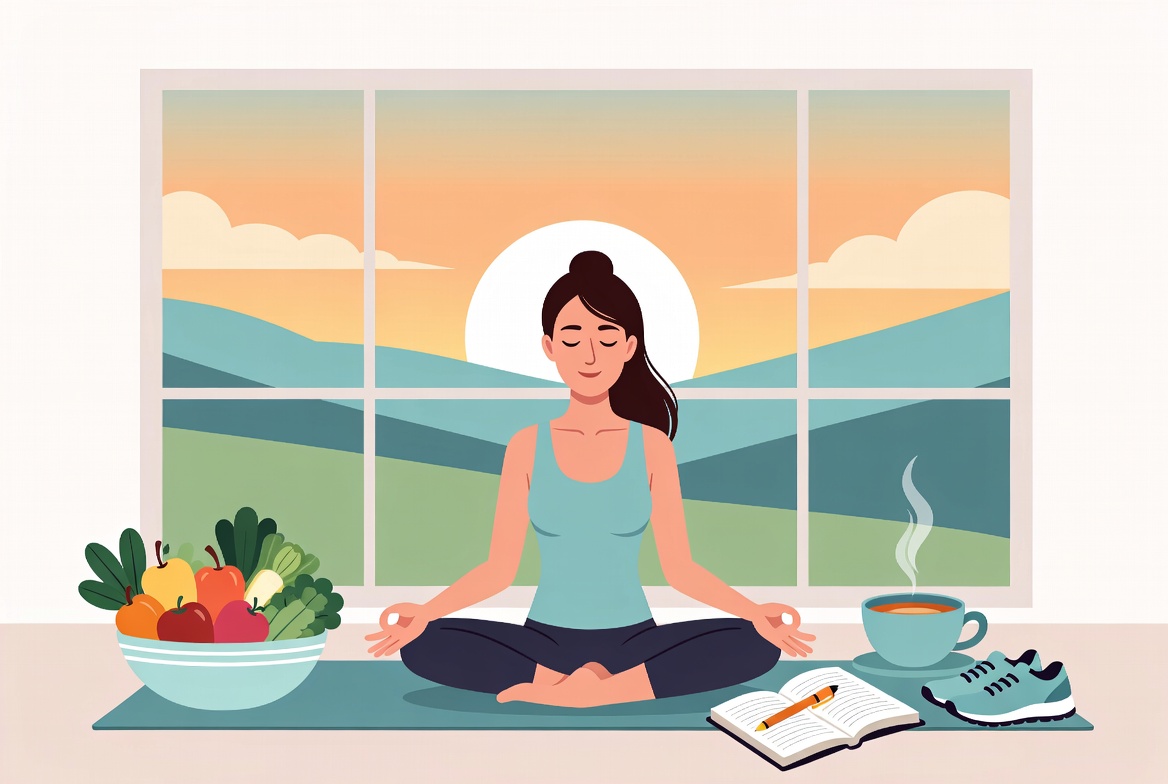
Stress takes a heavy toll on our bodies and minds, but simple lifestyle tweaks can make a real difference during Stress Awareness Month. Here’s how chronic stress harms health and practical steps anyone can take to fight back.
Health Impacts
Chronic stress floods the body with cortisol, leading to:
- increased risks for heart disease and digestive issues
- weakened immunity
- disrupted sleep
- anxiety or depression spikes
- accelerated aging by shortening telomeres (protective caps on chromosomes).
- Over time, this wears down physical resilience and mental clarity.
Quick Lifestyle Fixes
Everyone can start these evidence-based habits today—no equipment needed.
- Deep breathing: Try 4-7-8 breathing (inhale 4 seconds, hold 7, exhale 8) for 5 minutes daily to lower cortisol fast.
- Daily movement: Walk briskly 20–30 minutes; exercise cuts stress hormones by 25% and boosts mood via endorphins.
- Sleep routine: Aim for 7–9 hours; avoid screens 1 hour before bed and keep a consistent schedule to restore hormonal balance.
- Mindful eating: Focus on whole foods like nuts, berries, and fatty fish; limit caffeine and sugar spikes.
- Social connection: Chat with a friend or spend time in your garden or in a park—nature and relationships buffer stress effectively.
Build one habit weekly for lasting change—small steps compound over time.
MORE ABOUT MOVEMENT for STRESS MANAGEMENT
Daily Movement: Move Your Body, Calm Your Mind
Regular physical activity is one of the most effective ways to lower stress levels.
Exercise releases endorphins — your body’s natural mood boosters — while also reducing cortisol, the primary stress hormone. Even moderate movement can improve sleep, boost energy, and clear mental fog.
One particularly powerful form of movement for stress relief is Tai Chi. Often described as “meditation in motion,” Tai Chi combines slow, flowing movements with deep breathing and mental focus.
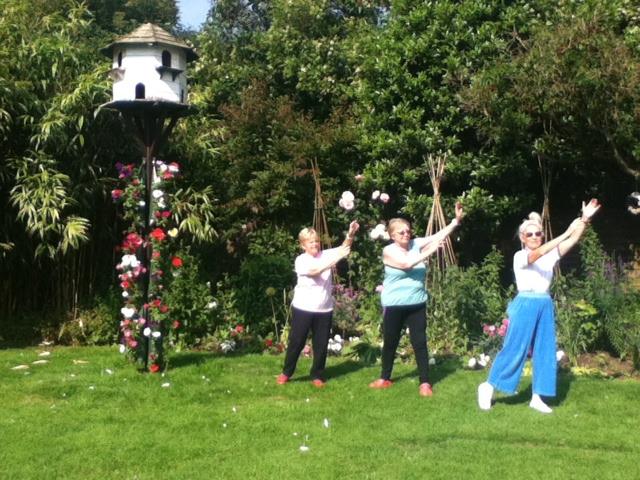
Practicing Tai Chi helps reduce stress by:
- Calming the nervous system through gentle, rhythmic motion
- Improving body awareness and mindfulness
- Lowering anxiety and promoting a sense of inner peace
- Enhancing balance and flexibility without high impact
You don’t need to be athletic or flexible to start — many beginners begin with just 10–15 minutes a day. Short sessions in the morning or evening can create a peaceful ritual that signals to your body it’s time to unwind.
Whether it’s a brisk walk, yoga, strength training, or a graceful Tai Chi routine, the key is consistency.
Find a type of movement you actually enjoy, and it becomes much easier to make it a daily habit.
References
- Mayo Clinic: “Chronic stress puts your health at risk”
https://www.mayoclinic.org/healthy-lifestyle/stress-management/in-depth/stress/art-20046037 - American Psychological Association: “How stress affects your health”
https://www.apa.org/topics/stress/health - Healthline: “16 Simple Ways to Relieve Stress and Anxiety”
https://www.healthline.com/nutrition/16-ways-relieve-stress-anxiety - Harvard Health: “Top ways to reduce daily stress”
https://www.health.harvard.edu/staying-healthy/top-ways-to-reduce-daily-stress