National Senior Health and Fitness Day: Why Movement Matters at Every Age
National Senior Health and Fitness Day is observed on the last Wednesday of May, and it is a timely reminder that exercise is one of the most powerful tools for healthy aging. For older adults, regular movement supports far more than fitness alone: it helps protect the heart, strengthen bones and muscles, improve balance, lift mood, improve sleep, sharpen thinking, and preserve independence.
The good news is that older adults benefit from all three major types of exercise:
- aerobic activity
- muscle-strengthening work
- balance training
Even small increases in activity can make daily life easier and safer, especially when exercise is matched to a person’s abilities, preferences, and health conditions.
Why exercise matters for older adults
Exercise helps older adults stay active in ways that matter in everyday life. It can make it easier to get up from a chair, climb stairs, carry shopping bags, walk around the neighbourhood, and continue doing the things they enjoy. Regular physical activity is also linked with a lower risk of heart disease, stroke, type 2 diabetes, some cancers, depression, dementia, falls, and early death.
One of the most important benefits is independence. As muscles, bones, and balance systems decline with age, exercise helps preserve physical function and reduce the chance of losing confidence or mobility after illness or injury. That means exercise is not just about “staying fit”; it is about staying capable, connected, and self-reliant.
Aerobic exercise: heart, stamina, and circulation
Aerobic exercise includes walking, cycling, swimming, dancing, low-impact aerobics, and similar rhythmic activities that raise the heart rate. This type of exercise is especially important for cardiovascular health because it lowers blood pressure, improves circulation, helps control cholesterol and blood sugar, and reduces the risk of heart disease and stroke. It also improves stamina, so everyday activities feel less tiring.
A brisk walk is often enough to get real benefits, especially when done regularly. Older adults do not need to run to improve heart health; consistent moderate activity can deliver meaningful protection. For many people, walking outdoors has the added bonus of fresh air, sunlight, and a change of scenery, which can make the habit easier to maintain.
Strength training: muscles, bones, and independence
Muscle-strengthening exercise includes resistance bands, dumbbells, machines, bodyweight exercises, and activities like rising from a chair repeatedly or carrying groceries. This type of training helps preserve muscle mass and strength, which are essential for posture, mobility, and independence. It also supports bone health by helping maintain bone density and reducing the risk of osteoporosis-related fractures.
This is especially important because older adults are at higher risk of sarcopenia, the age-related loss of muscle mass and strength. Strength work also improves joint support and may help reduce the impact of everyday aches by making the body more stable and resilient. In practical terms, stronger legs, hips, back, and arms make it easier to stand, bend, lift, and move with confidence.
Balance and flexibility: preventing falls
Balance training includes tai chi, standing on one leg, heel-to-toe walking, and certain yoga-based movements. It helps improve coordination, steadiness, and body awareness, which are key for reducing falls. Falls are one of the biggest threats to health and independence in later life, so this kind of exercise is especially valuable.
Flexibility work, such as gentle stretching, also matters because it keeps joints moving comfortably and supports a fuller range of motion. While flexibility alone is not enough to protect health, it complements aerobic and strength work well. A short daily routine can be enough to keep the body feeling more mobile and less stiff.

Mood, sleep, and brain health
Exercise has clear mental health benefits for older adults. It can reduce anxiety and depression, improve mood, support self-esteem, and boost overall emotional well-being. Physical activity also improves sleep quality, which matters because poor sleep can affect memory, energy, mood, and recovery.
There is also growing evidence that exercise supports cognitive health. Regular activity is associated with a lower risk of dementia and may help maintain mental sharpness, attention, planning, and the ability to switch between tasks. In other words, movement helps the body and the mind age more gracefully together.
Social connection and quality of life
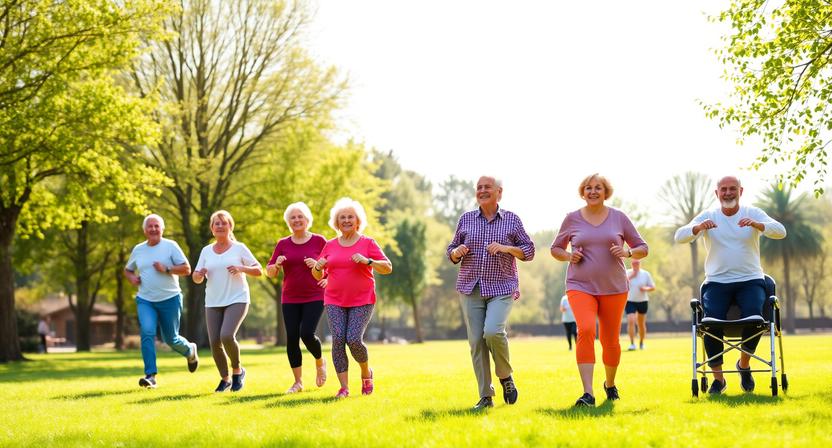
Exercise can also be a social activity, which adds another layer of benefit. Walking with a friend, attending a class, joining a group in the park, or doing movement sessions at home with family can reduce isolation and make exercise more enjoyable. Socially active exercise may also improve adherence, because people are more likely to keep doing what feels rewarding and shared.
Perhaps most importantly, exercise can improve quality of life. It helps older adults continue hobbies, remain engaged in community life, and feel more confident in their bodies. That combination of physical ability, social connection, and confidence is a major part of healthy aging.
Best kinds of exercise for seniors
The best exercise is the one that is safe, enjoyable, and sustainable, but a balanced routine works best for most older adults. A useful approach is:
- Aerobic exercise for heart health, endurance, blood pressure, and energy.
- Resistance training for muscles, bone density, posture, and independence.
- Balance training for fall prevention and coordination.
- Flexibility and mobility work for comfort, movement quality, and daily function.
Low-impact exercise absolutely counts. Walking, tai chi, chair-based exercise, water aerobics, and gentle cycling can all be excellent choices, especially for people returning to activity or managing joint issues. The aim is not to do the hardest workout; it is to keep moving consistently in ways that support health and confidence.
A simple message for the day
National Senior Health and Fitness Day is a celebration of what movement can preserve: health, strength, balance, memory, sleep, mood, and independence. Whether someone starts with a 10-minute walk, a light resistance band routine, a tai chi class, or a gentle stretch session, every step counts. The best time to begin is now, and the best exercise plan is the one a person can keep doing.
Finding it difficult to schedule in exercise, not sure where to start, need support to get started or stay consistent? Help is available!
Pilates Fitness offers a gentle yet powerful way for older adults to support their health and independence, building beautifully on the three pillars of aerobic conditioning, muscle strength, and balance.
Our tai chi sessions promote slow, flowing movements that sharpen coordination, ease stiffness, and improve balance—all of which help reduce the risk of falls and make everyday activities feel more stable.
Our Pilates classes focus on core strength, posture, and controlled movement, which complements daily life by strengthening the muscles that support the spine, hips, and joints, while also enhancing flexibility and body awareness.
Also available is massage, which can help relieve muscle tension, ease aches, and support recovery after movement, making it easier to stay consistent with exercise and enjoy a greater sense of comfort and well‑being.
Together, our tai chi, Pilates, and massage offerings form a supportive, age‑friendly toolkit that helps older adults stay active, confident, and connected to their bodies and each other within our supportive community.
References
- CDC — Physical Activity Benefits for Adults 65 or Older:
- National Institute on Aging — Health Benefits of Exercise and Physical Activity:
- NHS — Benefits of exercise:
- National Today — National Senior Health and Fitness Day: