Vitamin C supplementation associated with lower blood pressure

Meta-analysis concludes that supplementing with vitamin C is associated with lower blood pressure

Meta-analysis concludes that supplementing with vitamin C is associated with lower blood pressure

Vitamin C supplementation

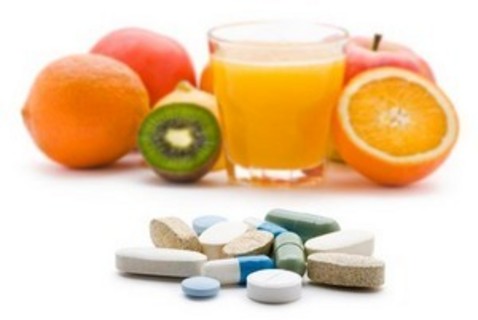
On April 4, 2012, the American Journal of Clinical Nutrition published a review by researchers from Johns Hopkins in Baltimore which reports a reduction in systolic and diastolic blood pressure in associated with vitamin C supplementation.

For their analysis, Edgar R. Miller III and colleagues selected 29 randomized clinical trials conducted between 1996 and 2011 that involved the oral administration of vitamin C for at least two weeks. Average pre-treatment systolic blood pressure ranged from 117 to 175 mmHg, and diastolic from 73 to 97 mmHg. The dose of vitamin C used in the studies varied from 60 to 4000 milligrams per day, with a median dose of 500 milligrams daily.

In a pooled analysis of the trials’ participants, vitamin C supplementation was associated with a 3.84 mmHg reduction in systolic blood pressure and a 1.48 mmHg reduction in diastolic pressure. When trials involving patients with hypertension were analyzed, reductions averaged 4.85 mmHg and 1.67 mmHg respectively.

What could explain this? Mechanisms posited for vitamin C in reducing blood pressure include an increase in a cofactor for endothelial nitric oxide synthase (which increases the production of nitric oxide), and improvement of endothelial function of brachial and coronary arteries.

“This meta-analysis is the first quantitative review of randomized trials evaluating the effect of vitamin C supplementation on blood pressure,” the authors announce. “In short-term trials, vitamin C supplementation reduced systolic blood pressure and diastolic blood pressure. Long-term trials on the effects of vitamin C supplementation on blood pressure and clinical events are needed.”

Posted in Blood Pressure, Vitamin C | Tagged , , , , , | Leave a comment

What to Eat for Health and Weight Loss?

October 2015 – Study highlights which fruits and vegetables can aid weight loss

We often hear talk of fruit and vegetables being good for us, to stay slim and healthy, but does it matter which we choose in terms of lower body weight?

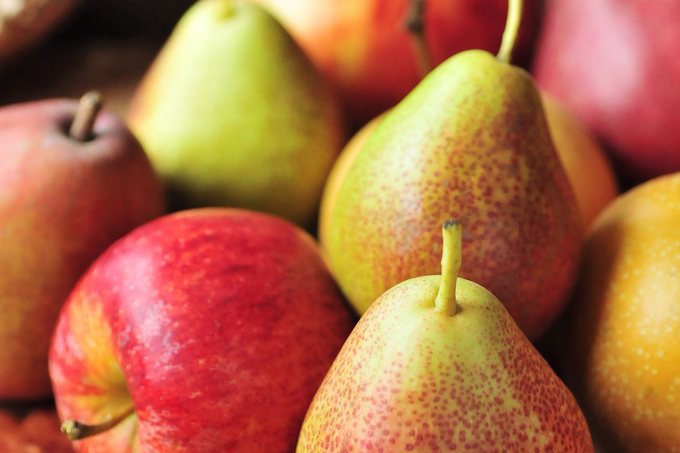
pears-and-applesberries

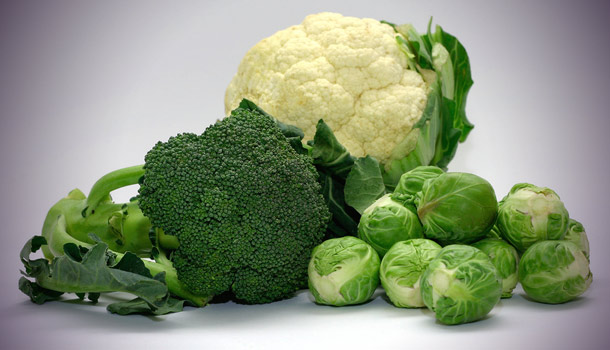
Brassicae 2

A recent study study compared 70 fruit and vegetables in relation to body weight changes. The study was a huge observational study which followed the diets of 133,468 men and women for 24 years. It looked at their consumption of 70 unprocessed fruits and vegetables in relation to their body weight.

Study Results (summary):

* When the participants increased their intake of higher-fibre, non-starchy, lower-glycaemic vegetables, particularly cruciferous vegetables like broccoli, cauliflowers and Brussels sprouts, their weight went down: 0.25 lbs (0.11kg) of body weight per daily serving over 4 years.

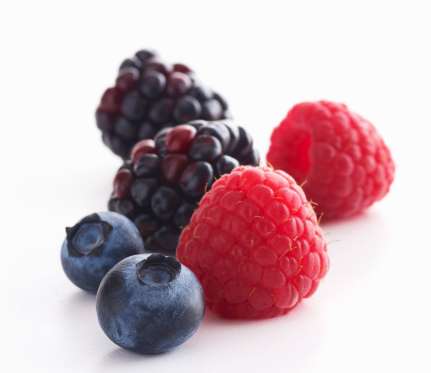
* Whole fruits (not juices!), mainly berries, apples and pears, which are low-glycaemic, contributed to greater weight loss: 0.53 lbs (0.24kg) per daily serving over 4 years.

Limitations:

The study depended on self-reporting (of food intake and portion sizes, as well as weight reporting), which is known to be unreliable. Still, you could do worse than follow the highlighted recommendations.

Comment:

High-fibre, non-starchy, low-glycaemic vegetables are quite filling and you can eat bigger portions of these foods without feeling deprived. They are great a great choice if you enjoy eating until complete satiation.


Reference:

Changes in intake of fruits and vegetables and weight change in United States men and women followed for up to 24 years: analysis from three prospective cohort studies, Bertoia et al., 2015. PLOS Medicine.


Posted in Health, Weight-Loss | Tagged , , , | Leave a comment

Hypertensive Drug More Effective if Taken at Night?

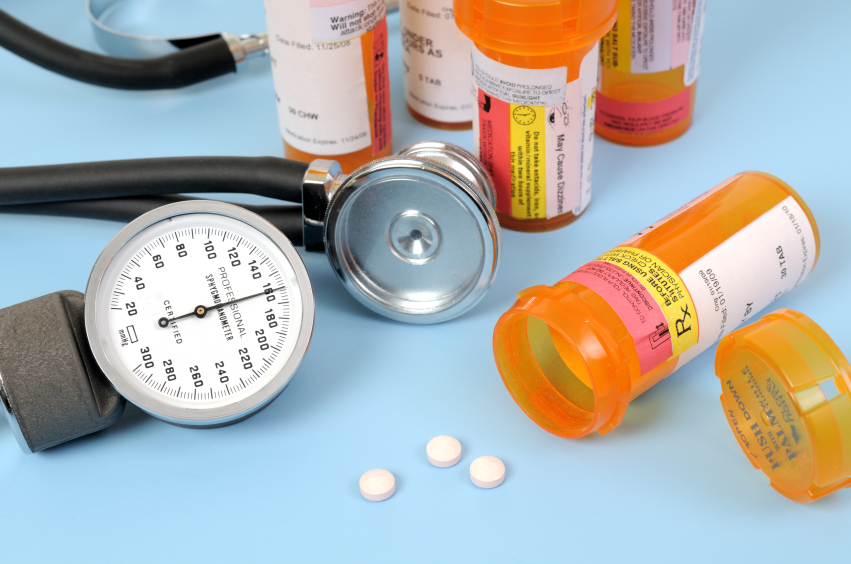
Hypertension-medicationearth_lights_Europe

A recent study suggested that taking hypertension medicines at night may control blood pressure more effectively and significantly lower the risk for diabetes.

This is the blurb from the article:

A dip in blood pressure during sleep is normal, and a nighttime dip of less than 10 percent in systolic pressure (the top number) is known to be associated with a higher risk of death.

Researchers studied 2,012 men and women with high blood pressure. Their average age was 53, and none had diabetes at the start of the study. The researchers randomly assigned half of the people to take all their hypertension medicine at night, and half to take it all in the morning.

Over an average of six years, 171 developed diabetes. After adjusting for fasting glucose, waist circumference, mean sleeping blood pressure and other factors, those who took their medicine before going to sleep had a 57 percent lower risk for diabetes. Taking medications at night also resulted in a greater relative decline in nighttime blood pressure. The study is in Diabetologia.

“We are recommending now that patients take the meds in the evening. It’s a no-cost intervention,” said the lead author, Ramón C. Hermida, a professor of biomedical engineering at the University of Vigo in Spain, adding that patients should not change their medication regimens without talking to their doctors.

As to this study, I don’t actually have access to the whole paper. However, these points come to mind:

  • Night-time taking makes hypertensive medication “more effective”? The title of the article (though not that of the paper) suggests that taking hypertensive medication at night makes the medication more effective. As hypertensive medicines have the main purpose of lowering blood pressure, the title of the article is a little imprecise (i.e. more effective in terms of blood pressure regulation or just has the added effect of reducing diabetes risk?)
  • Was daytime blood pressure regulation affected? Did the researchers monitor daytime blood pressure after switching medicine-taking to the evening hours? It is all very well to reduce diabetes risk, but people on hypertensive medication are mainly concerned with regulating their blood pressure first and foremost. So, was blood pressure regulation overall better, or at least as good, when taking hypertensive medication at night? The results section mentions “lower asleep BP mean” (a good thing, as explained earlier); the abstract concludes “ambulatory BP was better” in the night-time medicine taking group. Need more detail really, but without access to the paper…
  • What hypertensive medication? Was this diabetes-lowering effect observed for ALL hypertensive medications when taken at night or just for some types (as there are several available)? Did everyone in the study take the same medication? Does this apply to people who take just one medication or more than one? The results section confirms that at least 3 different classes of medications were taken and suggests some took more than one. The conclusions of the study simply say that the effect was seen mainly in those medications “modulating or blocking the effects of angiotensin II” (and the results section seems to suggest the best results were seen with angiotensin receptor blockers  or ARBs). But it is unclear what exact effect taking a “cocktail” of hypertensive medication would have on these results – and this is an important point, as many people take 2 or 3 different drugs to control their blood pressure.

* Before you start taking your hypertension medication at night, please consult your doctor *

Also remember, there are many other things we can do to control our blood pressure, particularly if you are “pre-hypertensive” and want to delay your need for medication…

We have known for years that:

  • a single bout of exercise reduces systolic blood pressure (the high number) by several points up to 22 hours. So aim to walk or exercise daily. Our Friday Vitality circuit is suitable for those with blood pressure issues or those wanting to avoid them! There is no lying down on the floor, and its format is developed out of the cardiac rehab exercise training I took.
  • stress reduction techniques (belly breathing, meditation etc) help reduce hypertension due to stress
  • eat a healthy diet with lots of fruit and vegetables for optimal cardiovascular health. It tastes great and keeps you healthy! In particular, garlic regulates blood pressure (and has many health benefits, (unsalted!) watermelon seeds have been shown to reduce blood pressure, cayenne pepper is often called a cardiovascular system tonic. Here are some ideas:

home-remedies-for-high-blood-pressure

The following steps are recommended by the NHS website:

Want to know more? Prefer a book? Here below is the best seller out of all of the books I sell on Amazon.co.uk (Amazon seller: cisono): (or get it directly from me, just ask!)

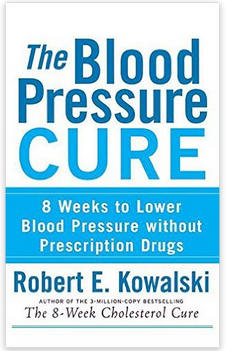
The Blood Pressure Cure: 8 Weeks to Lower Blood Pressure without Prescription Drugs Paperback

TheBloodPressureCure

To your health,

Emanuela

www.pilatesfitness.co.uk


References:

Article:   http://buff.ly/1LaSbf5

Paper:    http://link.springer.com/article/10.1007/s00125-015-3749-7

NHS website:

http://www.nhs.uk/Conditions/Blood-pressure-%28high%29/Pages/Treatment.aspx

Images: secondscount.org, NASA.gov, Top10HomeRemedies.com

Blood Pressure Cure Book:

http://sn.im/blood_pressure_cure

http://goo.gl/mCqjbE


Posted in Blood Pressure | Tagged | Leave a comment

GRATITUDE – September 2015

Sept 30 – I am grateful for managing to make a few decisions today

Sept 29 – I am grateful for noisy neighbours: it means I have a roof over my head!

Sept 28 – I am grateful for last night’s ‪#‎supermoon‬ + total ‪#‎lunareclipse‬

supermoon-9-27-2015-Panama

Sept 27 – I am grateful for plenty of natural lighting indoors on this beautiful Sunday

Sept 26 – I am grateful for a very sunny, Indian summer Saturday!
(my tomatoes might finish ripening)

Sept 25 – I am grateful for another lovely sunny day outdoor workout this Friday

Sept 24 – I am grateful I managed to find a parking space when I got home last night
(‪#‎LSFC‬ winning at home)

Sept 23 – I am grateful my gym shoes are waterproof
so my feet were dry when I got home, in spite of a shower

Sept 22 – I am grateful my gym shoes are waterproof
so my feet were dry when I got home, in spite of a shower

Sept 21 – I am grateful for ‪#‎weekends‬ and the chance they give us to
rest, recuperate and re-focus (3 Rs)

Sept 20 – I am grateful for waking up early and having the time + energy for 3 workouts + one massage today

Sept 19 – I am grateful for lovely post-session feedback texts from my clients

Sept 18 – I am grateful for an unexpectedly balmy park workout today

Sept 17 – I am grateful for waking up with that great feeling of having had deep, restorative sleep

Sept 16 – I am grateful for lovely, respectful clients who welcome me as their health & fitness coach

Sept 15 – I am grateful I managed to get some work done after lunch today

Sept 14 – I am grateful for a great spin workout today – with nice, new music

Sept 13 – I am grateful for a lovely nap today

Sept 12 –

Sept 11 – I am grateful for a warm and sunny “Indian Summer” day

Sept 11 – I am grateful and glad I was able to make a difference in a client’s life today

Sept 10 – I am grateful for an easy laptop upgrade

Sept 09 – I am grateful for a seamless Windows 10 update

Sept 08 – I am grateful for all the gages/bullaces/plums my garden is producing

greengages_in_my_garden

Sept 07 – I am grateful for holidays 🙂

Sept 06 – I am grateful for deep and restorative sleep last night

Sept 05 – I am grateful my neighbours accepted a parcel for me while I was away

Sept 04 – I am grateful flight and drive home went smoothly

Sept 03 – I am grateful for some breeze after several days over 30 degrees and humidity

Sept 02 – I am grateful for sweet and juicy homegrown figs

Sept 01 – I am grateful for a nice walk with my brother

Copyright: Pilates Fitness – www.pilatesfitness.co.uk


Posted in Gratitude | Tagged | Leave a comment

Exercise Good for People Aged 60 or Over

I know many people who exercise a lot when younger but then “hang up their (football or other exercise) boots” when they reach… 30 or 40 (or some other discrete age threshold).

Only 1 in 4 people between 65 and 74 exercises [1]. Many people assume that they’re too out-of-shape, or sick, or tired, or just plain old to exercise.

REALLY?

No matter what age, we still need physical activity. As we get past the young age, we probably NEED physical activity even more than before! Or at least we need to schedule it  and make it a way of life.

“Exercise is almost always good for people of any age,” says Chhanda Dutta, PhD, chief of the Clinical Gerontology Branch at the National Institute on Aging. Exercise can help make you stronger, prevent bone loss, improve balance and coordination, lift your mood, boost your memory, and ease the symptoms of many chronic conditions.

Here are some common myths that stop older people from exercising — along with some expert advice to get you started working out. [1]

Exercise Myth: Trying to exercise and get healthy is pointless — decline in old age is inevitable.

“There’s a powerful myth that getting older means getting decrepit,” says Dutta. “It’s not true. Some people in their 70s, 80s, and 90s are out there running marathons and becoming body-builders.” A lot of the symptoms that we associate with old age — such as weakness nd loss of balance — are actually symptoms of inactivity, not aging.

Exercise improves more than your physical health. It can also boost memory and help prevent dementia. It can help you maintain your independence and your way of life. If you stay strong and agile as you age, you’ll be more able to keep doing the things you enjoy and less likely to need help.

Exercise Myth: Exercise isn’t safe for someone my age — I don’t want to fall and break a hip.

Studies show that exercise can reduce your chances of a fall, says Dutta because exercise builds strength, balance, and agility. Exercises like tai chi (and standing Pilates) may be especially helpful in improving balance. Worried about osteoporosis and weak bones? One of the best ways to strengthen them is with regular exercise.

Exercise Myth: Since I’m older, I need to check with my doctor before I exercise.

If you have a medical condition or any unexplained symptoms or you haven’t had a physical in a long time, check with your doctor before you start exercising. Otherwise, go ahead. “People don’t need to check with a doctor before they exercise just because they’re older,” says Dutta. Just go slowly and don’t overdo it.

Exercise Myth: I’m sick, so I shouldn’t exercise.

On the contrary, if you have a chronic health problem — such as arthritis, diabetes or heart disease — exercise is almost certainly a good idea. Check with a doctor first, but exercise will probably help.

“Exercise is almost like a silver bullet for lots of health problems,” says Arbaje. “For many people, exercise can do as much if not more good than the 5 to 10 medications they take every day.”

Exercise Myth: I’m afraid I might have a heart attack

We’ve all heard about people who had heart attacks while exercising. It can happen. However, the many health benefits of exercise far exceed the small risk. “Being a couch potato is actually more dangerous than being physically active,” says Dutta. “That’s true for the risk of hear tdiseaseand many other conditions.”

Exercise Myth: I never really exercised before — it’s too late to make a difference in my health.

Studies have found that even in people in their nineties living in nursing homes, starting an exercise routine can boost muscle strength. Other research shows that starting exercise late in life can still cut the risk of health problems — such as diabetes –and improve symptoms. “It really is never too late to start exercising and reaping the benefits,” Dutta tells WebMD.

Exercise Myth: Exercise will hurt my joints.

If you’re in chronic pain from arthritis, exercising may seem too painful. But studies show that exercising helps with arthritis pain. One study of people over age 60 with knee arthritis found that those who exercised more had less pain and better joint function.

Exercise Myth: I don’t have time.

This is a myth that’s common in all age groups. Experts recommend a minimum of 150 minutes of aerobic exercise week. That might sound like a lot. Actually, it’s only a little over 20 minutes a day. What’s more, you don’t have to do it all in one chunk. You can split it up. For instance, take a 10-minute walk in the morning and pedal on a stationary bike for 15 minutes in the evening — you’re done.

Exercise Myth: I’m too weak to start exercising.

Maybe you just recovered from an illness or surgery and are feeling too weak even to walk around the block. Maybe you only get out of the chair each day to go to the bathroom. If so, start there. Decide today to get in and out of your chair 10 times. As you do it more, your strength will increase and you can set higher goals.

Exercise Myth: I’m disabled, so I can’t exercise.

“A disability can make exercise challenging, but there really is no excuse for not doing some sort of exercise,” says Arbaje. If you are in a wheelchair, you can use your arms to get an aerobic workout and build strength. Even people who are bedridden can find ways to exercise, she says. Talk to a doctor or a physical therapist about ways you can modify exercises to work around your disability.

Exercise Myth: I can’t afford it — I don’t have the budget to join a gym or buy equipment.

Gym memberships and home treadmills can be expensive. Still, that’s no reason to skip exercising, Dutta says. You can exercise for free. Walking doesn’t cost anything. If you want to lift weights at home, use soup cans or milk jugs filled with sand. Use your dining room chair for exercises that improve balance and flexibility. If you have a health problem, the NHS or your health insurance may cover a few sessions with a physical trainer or an occupational therapist, says Arbaje. There are lots of ways to get fit at low or no cost.

But even if you were to invest in a good trainer, is that not a great idea so that you can enjoy more years in good health on this earth? It is definitely worth it! Ideally, find a personal trainer with a specialisation in working with older adults (and disabilities, if that applies to you). Emanuela of Pilates Fitness is a personal trainer and rehab trainer qualified in all these areas, as well as mindful exercise (Pilates, yoga, tai chi qigong shibashi) and she has also a strong interest in back pain.

Exercise Myth: Gyms are for young people.

“The gym scene can be intimidating for older people,” says Dutta. Look to see if gyms in your area have offerings for seniors or people new to exercise. If you’re retired, try going in the middle of the day, so you can avoid the before and after-work rush. “Find an environment where you feel comfortable exercising,” says Arbaje.

Gyms can be intimidating for everyone, not just older people. Choose instead friendlier environments with good quality instruction. All of Pilates Fitness sessions aim to provide a welcoming and friendly environment with high-quality instruction so you can avoid injuries but still get the most benefit in terms of higher strength , better balance and supportive social interaction.

Exercise Myth: Exercise is boring.

If exercise is boring, you’re not doing it right. Exercise doesn’t even have to feel like exercise.

Remember that any physical activity counts. Whether it’s catching up with a friend while you walk the mall, or taking a Pilates or dance class, or chasing your grandchildren, or bowling, or raking, or gardening, or volunteering at your local school system or park, it is all physical activity. And sex counts too.

The key is to figure out something you enjoy doing and do that. When you get tired of it, try something new. “The type of exercise doesn’t matter,” says Arbaje. “The best exercise is the one that you actually do.


How much exercise do I need to do to see health benefits if I am 60+?

Even a little activity seems to bring benefits.

A recent meta-study [2] showed that  even a low dose of moderate to vigorous physical activity (i.e. a dose below current recommendations) reduced mortality by 22% in older adults. A further increase in physical activity dose improved these benefits in a linear fashion.


TAKEAWAYS

No, you probably don’t need to be playing football when you are 80 (though if you enjoy it, why not. While on holiday in Mexico last Christmas, I saw this 78-year old guy join the kids playing beach football. While slightly less mobile than the children, he was having just as much fun). In any case, whatever your age, you can still find something you like and stick with it as long as possible. When that no longer works for you, find another activity you enjoy!

Best activities: anything involving movement that you enjoy doing. Ideally a social activity.

What is NOT an option is just sitting down watching TV or youtube videos all day while having cakes, biscuits and cream tea or snacking on crisps. At least NOT if you want to have a good quality of life and avoid dementia.

Advice: High quality food, movement and cultivating your spiritual / artistic / social life  / an attitude of gratitude, keep learning new things, volunteering, helping others…

“Look at your retirement or senior years as an opportunity to do things you have never done before. Most of all, enjoy yourself!” [3]

Choose an instructor or Personal Trainer with suitable qualifications (e.g. older adult plus Pilates etc) plus experience if you want to achieve best results and to avoid injuries.

Contact Pilates Fitness to see how we can help your “golden years” be truly golden!


References

[1] http://www.webmd.com/healthy-aging/nutrition-world-2/exercise-older-adults

[2] http://bjsm.bmj.com/content/early/2015/07/02/bjsports-2014-094306

[3] acefitness.org

Posted in Health, Older Adult | Tagged , , | Leave a comment

GRATITUDE – August 2015

1 – I am grateful for the lovely raspberries I just picked from my garden
(sorry, no pic, already gone!)

2 – I am grateful I have found a good new arrangement for my hanging baskets

3 – I am grateful for my steam cooker – cooks fast and cheaply  (and does not nuke food like microwaves)

4 – I am grateful I managed to get round to all my appointments on time today and without rushing!

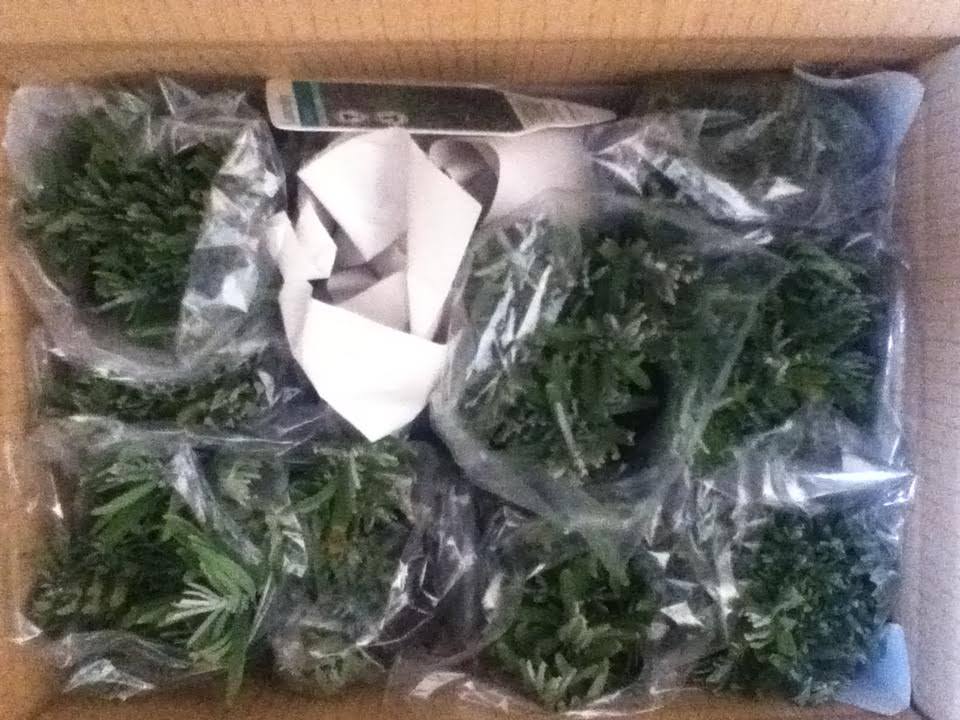
5 – I am grateful for the free/replacement lavender plants I received today

lavender_plants

6 – I am grateful for DVLA’s road tax reminder: it reminded me about the MOT I had booked for today!!

7 – I am grateful for perfect weather at the park today

8 – I am grateful for the lovely berry plants I found at Aldi yesterday

9 – I am grateful for the blackberries I picked today

10 – I am grateful the neighbours’ cats only overturned but did not kill my lavender plants (I hope)

11 – I am grateful for promptly receiving my new USB pendrive purchase today

12 – I am grateful for brief, productive meetings

13 – I am grateful for all the good wishes, flowers and presents I received on my birthday

14 – I am grateful for waterproof clothing

15 – I am grateful for the great scent of lemongrass essential oil

16 – I am grateful less than one hour of pruning resulted in a neat-looking hedge in our front garden

17 – I am grateful for water and its power to remove headaches

18 – I am grateful for managing to do my shopping in 5 minutes today

19 – I am grateful for slippery elm’s soothing effect on sore throats

20 – I am grateful for holidays

21 – I am grateful for clear roads and getting to our destination with plenty of spare time

22 – I am grateful it didn’t start raining hard until we were safely tucked into the car

23 – I am grateful for precious time with family

24 – I am grateful that Jessica Ennis-Hill achieved the heptathlon gold in Beijing
http://buff.ly/1Lsbfbx

Jess_Ennis_Aug2015

25 – I am grateful that Bolt successfully leveraged his experience to win 100m gold
http://buff.ly/1EewLkq

Bolt_3000

26 – I am grateful for great entertainment at ‪#‎paliodisandonato‬ ‪#‎paliodicividale‬
http://buff.ly/1h8aM3Q

27 – I am grateful for catching up with long-time friends

28 – I am grateful for doing my tai chi practice in the scent of American grapes

29 – I am grateful for meeting up with so many branches of my family

30 – I am grateful for hot, sunny weather

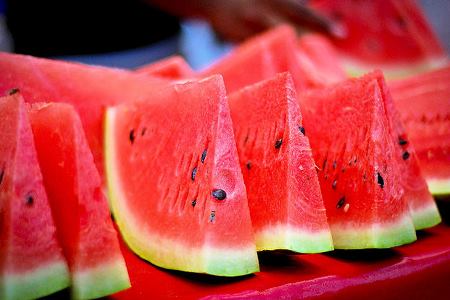
31 – I am grateful for sweet and juicy chilled watermelon

watermelon


Posted in Uncategorized | Leave a comment

Pilates Fitness is Holistic Fitness

Holistic Fitness

I see Pilates Fitness as offering “Holistic Fitness”, meaning fitness, but fitness that is inextricably linked to a fully holistic view of how mind and body work.

For me, practising Pilates has been the first step towards realising the existence of this link. From there, I have grown to explore and be amazed at how everything is linked together.

This means that we cannot just, for instance, “flatten our belly” by itself (sorry if this is a disappointment to you). Instead, we need to look at the whole picture: our health, lifestyle, nutrition, digestion, sleep, hormones and even the thoughts we entertain on a regular basis.

We then need to come up with (and follow at least 85% of the time) a plan that guides our body (or “system”) back towards balance, what we call “homeostasis”, the condition where the body functions at its best and where we feel more vibrantly healthy and have the most VITALITY.

I see Pilates as an important step in this, but all the rest has also to be accomplished.

To help more people feel better, I will be talking more about nutrition and lifestyle and offering more “comprehensive” packages including:

a) fitness + nutrition + lifestyle coaching

b) fitness + massage+ lifestyle coaching

c) fitness + nutrition + massage + lifestyle coaching

What is the best option for you?

Schedule a consultation to find out.


Posted in Health | Tagged , , | Leave a comment

Probiotics to Reduce Hypertension

Probiotics to Reduce Hypertension

Yoghurt and raspberries

A new study in the American Heart Association journal Hypertension suggests that probiotics (“good” bacteria) may also reduce blood pressure.

Probiotics are well known to benefit gut health, the immune system, and possibly even brain health. More recently, they have been shown to improve metabolic measures like cholesterol and insulin sensitivity. It is likely that it is through these pathways that probiotics also affect blood pressure, particularly in people who have high blood pressure to begin with.

The Study
The new analysis looked at nine earlier studies on the probiotics-blood pressure connection, which involved over 540 participants assigned to take probiotics for a period of at least eight weeks.

Results:
* At the end of the time, those who had been on probiotics had small reductions in both systolic and diastolic blood pressure: Systolic blood pressure (the top number) was reduced by just over 3 mmHG; reduction in diastolic pressure (the lower number) was just over 2 mmHG.
* The reduction was greatest in people who had the higher readings to begin with
* Probiotics containing multiple strains of bacteria seemed to offer more benefit than those containing just one.
* The effect didn’t seem to exist if people consumed probiotics for less than eight weeks, which suggests the blood pressure-reducing effects may only be noticeable after a couple of month
Comment:
While the blood pressure reductions were small, they correspond to a decrease in mortality, which is always good.
You need to take probiotics (ideally several strains) for at least 8 weeks for benefits to occur.
Obtain probiotics from fermented foods like yoghurt, kefir and so on, and supplement with probiotics.

Source:
www.forbes.com/sites/alicegwalton/2014/07/21/probiotics-may-help-people-with-blood-pressure/

Tags: hypertension, blood pressure, probiotics

Posted in Blood Pressure | Tagged , | Leave a comment

Drink WATER to Lower Cholesterol, Fight Diabetes, for More Energy and Better Health

DRINK MORE WATER?

You may have received the advice to drink more water “for health reasons” or “to suppress hunger” and even “to lose weight”. But if you found the advice not very compelling, you are not the only one. It just sounds a bit “wishy-washy” and not very scientific. It is not exactly clear HOW drinking more water would help us…

But WHAT IF drinking water could REALLY prevent major chronic diseases like diabetes, high cholesterol and so forth?

No, I haven’t suddenly gone mad.

Some doctors have noticed that patients whose health had not improved with “standard care” (often with additional supplements and even following a good, organic diet) did however improve SIGNIFICANTLY once the patient started drinking 8-10 glasses of WATER a day.

water_in_glass

Please note… I did say WATER and not coffee, tea or soft drinks. I didn’t even say decaf coffee or tea or herbal teas. Just WATER.


What kind of health improvement were obtained by drinking water?

HIGH CHOLESTEROL

One patient had high cholesterol – this had stayed high (creeping towards 300, US measurement) for a year in spite of appropriate organic diet, supplements etc. Once the doctor realised the patient had been drinking carrot juice and herbal teas over that period of time (thinking “it would take care of the water intake requirement”), the doctor insisted that the patient stop drinking herbal teas and start drinking WATER.

Result? “His total cholesterol dropped 63 points and his HDL, the alleged “good” cholesterol, went up considerably”. In other words: water intake had done effectively in six weeks what many heart-friendly supplements and an ideal, nutritionally-sound diet had failed to do in a year. [2]

Science bit (skip if not interested). Water certainly serves many functions in our body, as a solvent in the blood, as well as “filler” in the extra and intracellular spaces, but it also functions as a main adhesive in cell membranes, keeping them intact while yet fluid, allowing the necessary passage of molecules in and out of the cell. As a polar molecule, water’s electrically charged surfaces keep the complex molecules that make up the membrane itself in place, where they are supposed to be. In a state of deficiency as the water level in the membranes falls, the movement of nutrients into the cells and wastes out becomes significantly less efficient, and the membrane structure itself becomes less stable. In this situation, if chronic, the liver begins synthesizing and releasing cholesterol into the bloodstream; this lipid can then substitute for water as a last ditch adhesive in the cells, to keep their membranes functional. So an elevated cholesterol in the context of undiagnosed chronic water deficiency reflects the body’s wisdom, rather than some random or genetic mystery [2].

DIABETES

Lack of water intake produces dehydration, which is an undesirable state of affairs. How does this relate to diabetes?

Insulin drives nutrients across membranes so it can be used by cells as an energy source. So nutrients including glucose, other substances including potassium, certain amino acids, and importantly, water pass into the cell interior.

According to Dr. Batmanghelidj (and others), the insulin-stimulated flow of water from the extracellular (outside the cell) to the intracellular (inside the cell) space can be a problem even with mild dehydration, because it an lead to further depletion of the body’s extracellular fluids and reduced blood volume. Since neurons are 85% water in their healthy state and since the brain receives and requires fully 20% of our total blood supply, carrying with it oxygen and essential nutrients, the effect of vascular volume depletion (i.e. reduction) can be catastrophic.

Dr. Batmanghelidj argues that to preserve its own blood supply and the integrity of its nine trillion cells, the brain, through prostaglandin and neurologic signaling, suppresses insulin synthesis and secretion. This in turn reduces the constant flow of water into the various cells of the body, conserving water to satisfy the brain’s own requirements. Of course there is a tradeoff, reduced fluid supplies to most cells in order to meet the water demands of the central nervous system.

Dr Nicholas Gonzales added more complexity to this picture, with two main pathways: SNS (sympathetic-dominant) and PNS (parasympathetic-dominant). But in short, both paths lead to the same end result, in a state of dehydration, a state of insulin suppression, less water seeping into cells and higher extracellular glucose acting as an osmotic pull to keep water where it is most needed in the bloodstream. As well as diet and an appropriate supplement regimen, Dr Gonzales claims that adequate water and with it (full spectrum) salt are a must [2][to improve or reverse the situation].

ENERGY

Who does not want more energy?

Lack of water in the intracellular space has a cost: lack of “energy”. [I am keeping it a bit simple here to avoid a highly technical explanation]. Water is absolutely critical, as critical as glucose itself, for the production of energy. In fact, without adequate water, insufficient hydrogen atoms will be available to produce the high levels of storage ATP energy needed to fuel every reaction in every cell in the body. [2]

WATER, ENERGY and HEALTH

Low grade chronic dehydration is suspected to affect the great majority of Westerners. “This overall subclinical deficiency curtails water availability even at the level of the cell cytoplasm and mitochondria, in turn reducing production of ATP and leading to all manner of disability, from chronic fatigue to, Dr. Batmanghelidj argues, auto immune disease, even cancer. This shouldn’t be surprising, since in one sense disease, whatever its form and whatever the name the experts give to it, represents at its core a state of cellular energy inefficiency”. [2]

TAKE-AWAY POINTS

Dr. Batmanghelidj insists:

  • we all need to cut out all caffeine-containing and most other non-water fluids
  • substituting instead a full 8-10 eight ounce glasses of plain water daily, including WITH meals contrary to popular teaching.
  • In addition, he recommends we also ingest for each 10 glasses of water one-half teaspoon of good quality mineral-containing sea salt, such as Celtic or Himalayan, available in any health food store.

With increased water intake, we will lose salt, an essential nutrient, so we need to make up the difference. And please, don’t rely on your sense of thirst to determine water needs – in chronic dehydration, from which most of us suffer, our thirst thermostat in the brain down regulates so we learn not be thirsty, even when we need water. Forget the traditional teachings that we should drink only when we are thirsty, and that salt is our enemy.

To our health!

R.I.P. Dr Gonzales

References

1. Dr. Fereydoon Batmanghelidj (1992 and 2008), Your Body’s Many Cries for Water

2. Water, Energy and the Perils of Dehydration

http://kellybroganmd.com/article/perils-of-dehydration

Posted in Health | Tagged , , , , | Leave a comment

GRATITUDE – July 2015

July 1 – I am grateful for today’s lovely outdoor tai chi + berries with cream event

taichi-in-the-garden

July 2 – I am grateful for the “grounding” during “barefoot tai chi” in the garden

July 3 – I am grateful for a helpful brother who stayed up until past 1am to help me with a hardware issue

July 4 – I am grateful for abundant energy during my Saturday morning super workout today

I am grateful for backups!!!

July 5 – I am grateful I managed to book my holiday online – dates, flight, airport transfers, suitcases

July 6 – I am grateful for my freezer packed with healthy ingredients to make healthy meals in a short time

July 7 – I am grateful I made it to Hinckley on time today
(no matter the huge amount of lorries everywhere)

July 8 – I am grateful for being able to borrow another car today

July 9 – I am grateful my car battery went flat while my brother was around, so he was able to help & advise

July 10 – I am grateful for getting *4* green lights in a row on a major road

July 11 – I am grateful for finding a nice, discounted blackcurrant plant at Asda

July 12 – I am grateful for the chance to sleep in on a Sunday morning

July 13 – I am grateful for slippery elm

July 14 – I am grateful for great energy levels through the day

July 15 – I am grateful for finding a way to ship the heavy book I recently sold on Amazon at a decent price

July 16 – I am grateful for a restorative night’s sleep with lots of dreams

July 17 – I am grateful for the organic strawberries growing in my garden

strawberries

July 18 – I am grateful for a great Saturday morning workout

July 19 – I am grateful Picota cherries are just 87p at Asda

July 20 – I am grateful for the power and flexibility of the cat command
on unix-type operating systems

July 21 – I am grateful for my mum 🙂

July 22 – I am grateful for a lovely lunch salad

July 23 – I am grateful I have found 4 working rechargeable batteries around the house

July 24 – I am grateful this morning’s workout in the park was dry and it started to rain only afterwards!

July 25 – I am grateful for the homegrown gooseberries I was gifted yesterday

July 26 – I am grateful for all the longanberries and blackberries I harvested from my garden yesterday

July 27 – I am grateful my spin shorts dry off quickly even after exposure to torrential rain

July 28 – I am grateful for the invention of the Post Office!

July 29 – I am grateful for the homegrown, pesticide-free tart cherries I received today

tart_cherries

July 30 – I am grateful for a very productive day

July 31 – I am grateful for another sunny Friday morning outdoor workout


Posted in Gratitude | Tagged | Leave a comment